Comprehensive Guide to Three-in-One Busbar Processing Machines: Functions, Working Principles, Selection, Processing Materials, and Maintenance
What is a three-in-one busbar processing machine?
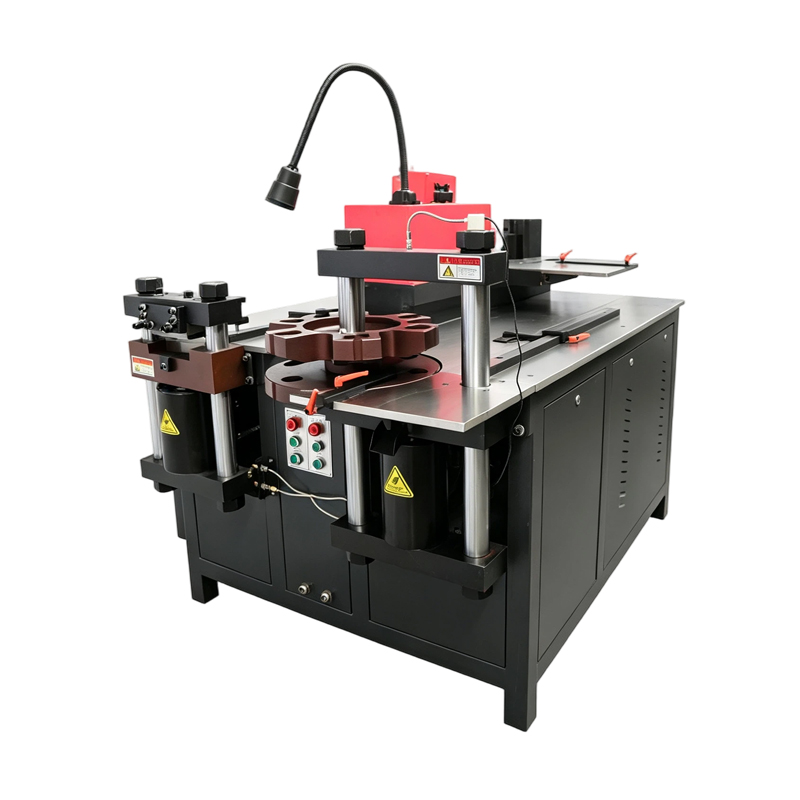
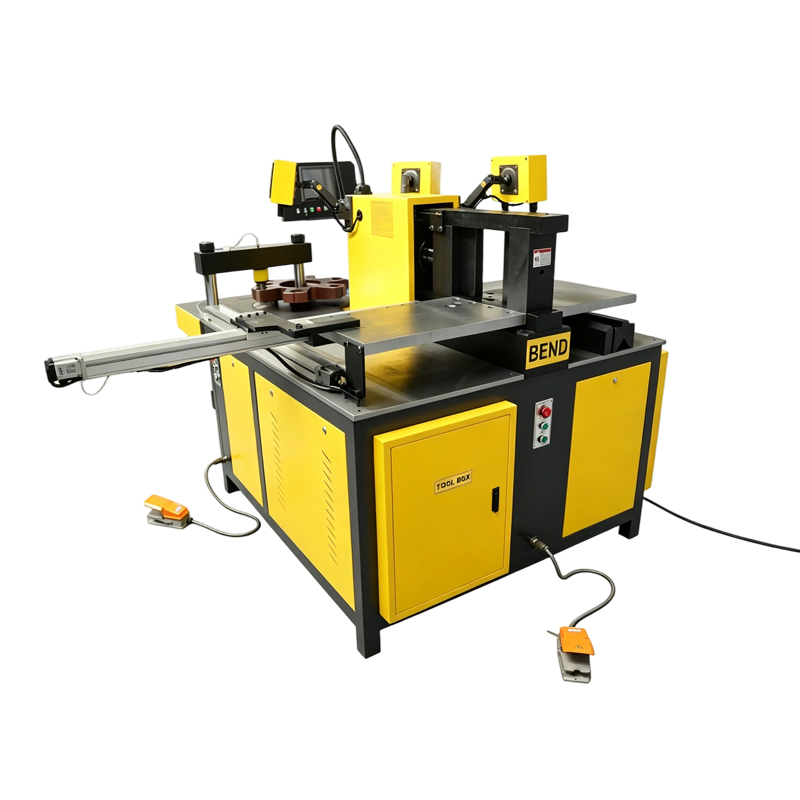
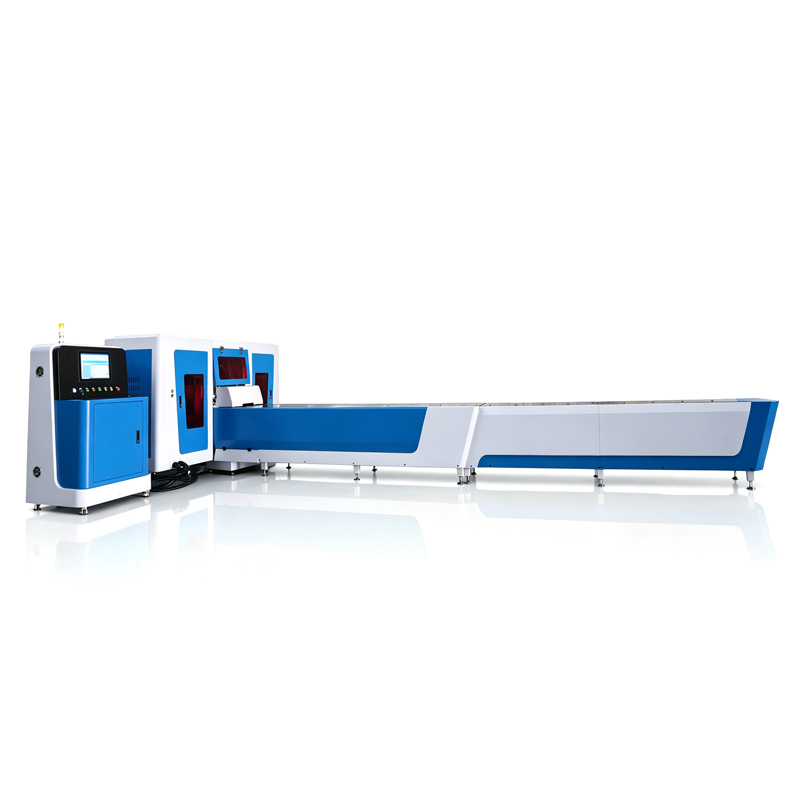
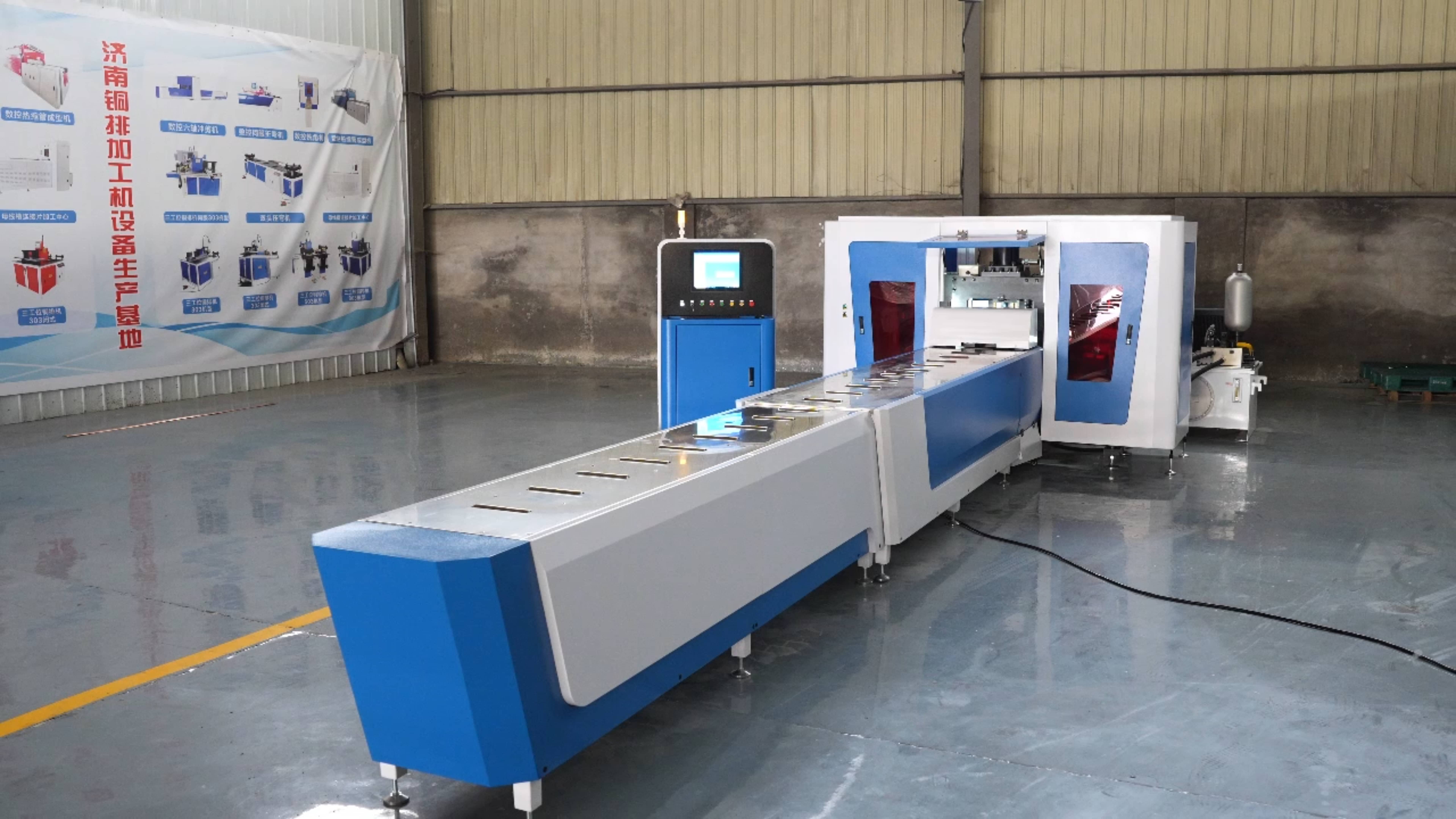
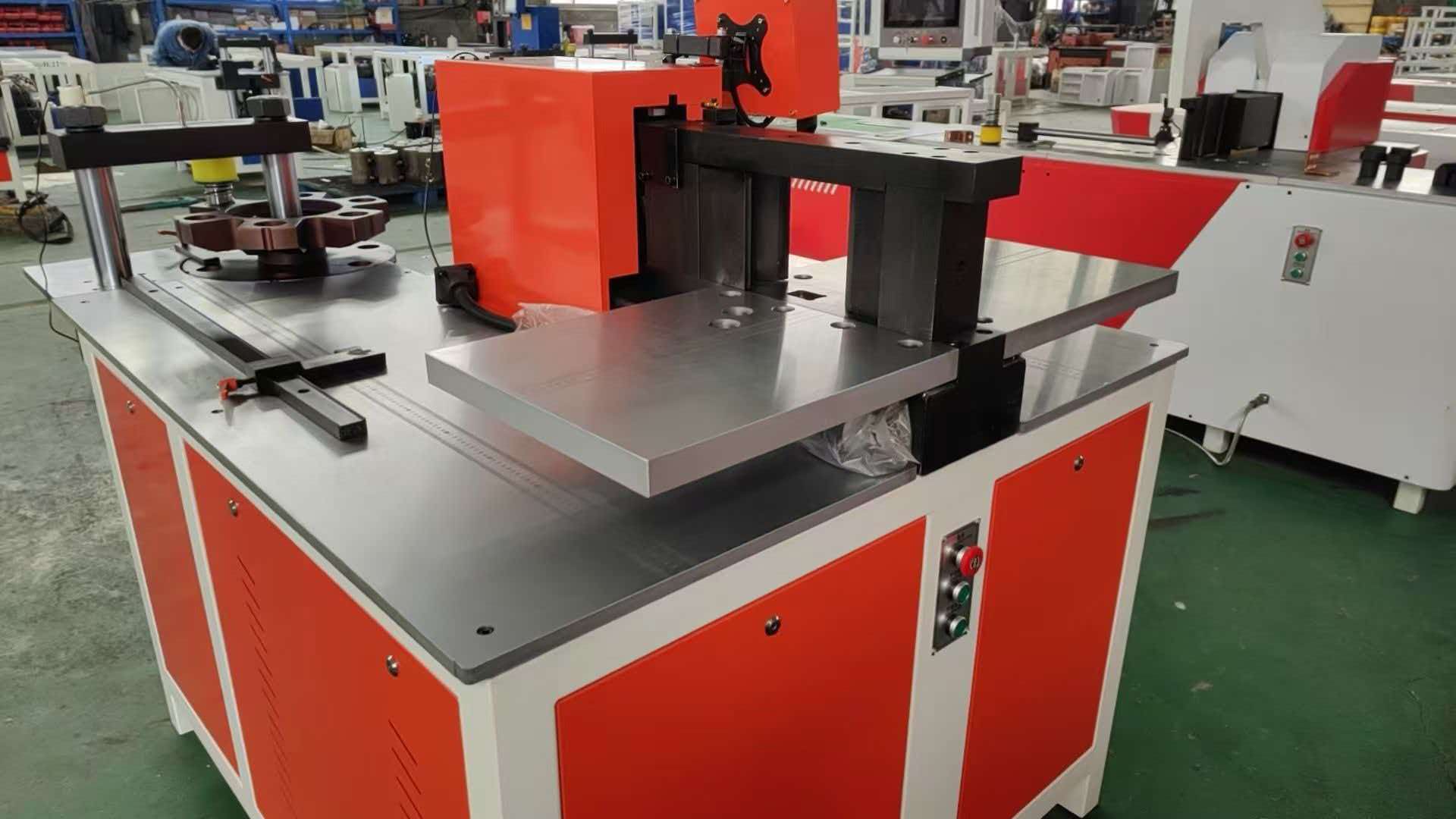
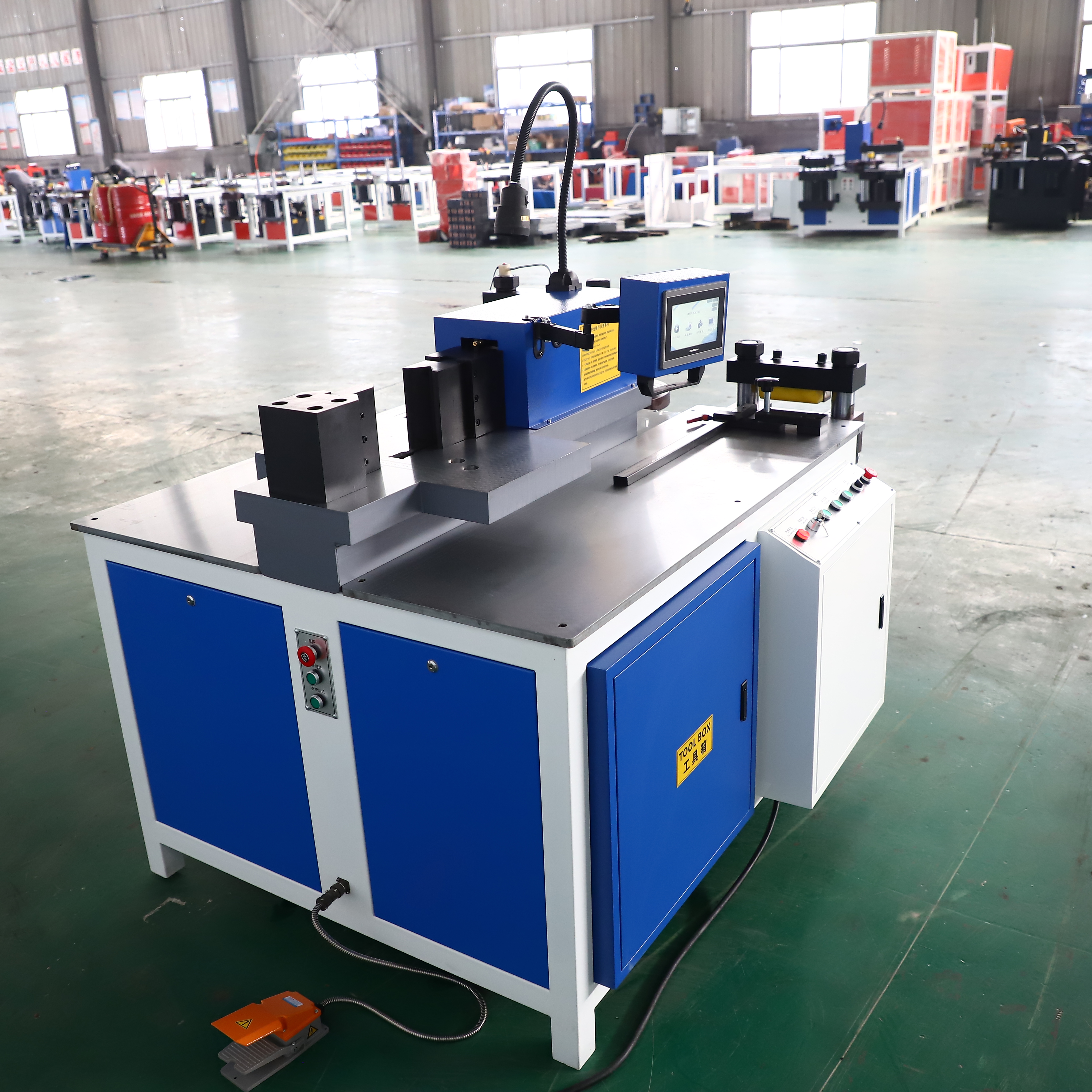
The three-in-one busbar processing machine, also known as a three-station busbar processing machine, is a multifunctional integrated piece of equipment specially developed for manufacturing copper and aluminum busbars. It integrates shearing, punching, bending, chamfering, and embossing functions into one machine. The three stations operate independently without interfering with one another and can work simultaneously. It provides a one-stop solution for cutting, punching, flat bending, and edgewise bending of copper and aluminum busbars. It not only optimizes workshop layout and saves valuable factory space, but also significantly improves the overall efficiency of busbar processing.
What functions does the three-in-one busbar processing machine have?
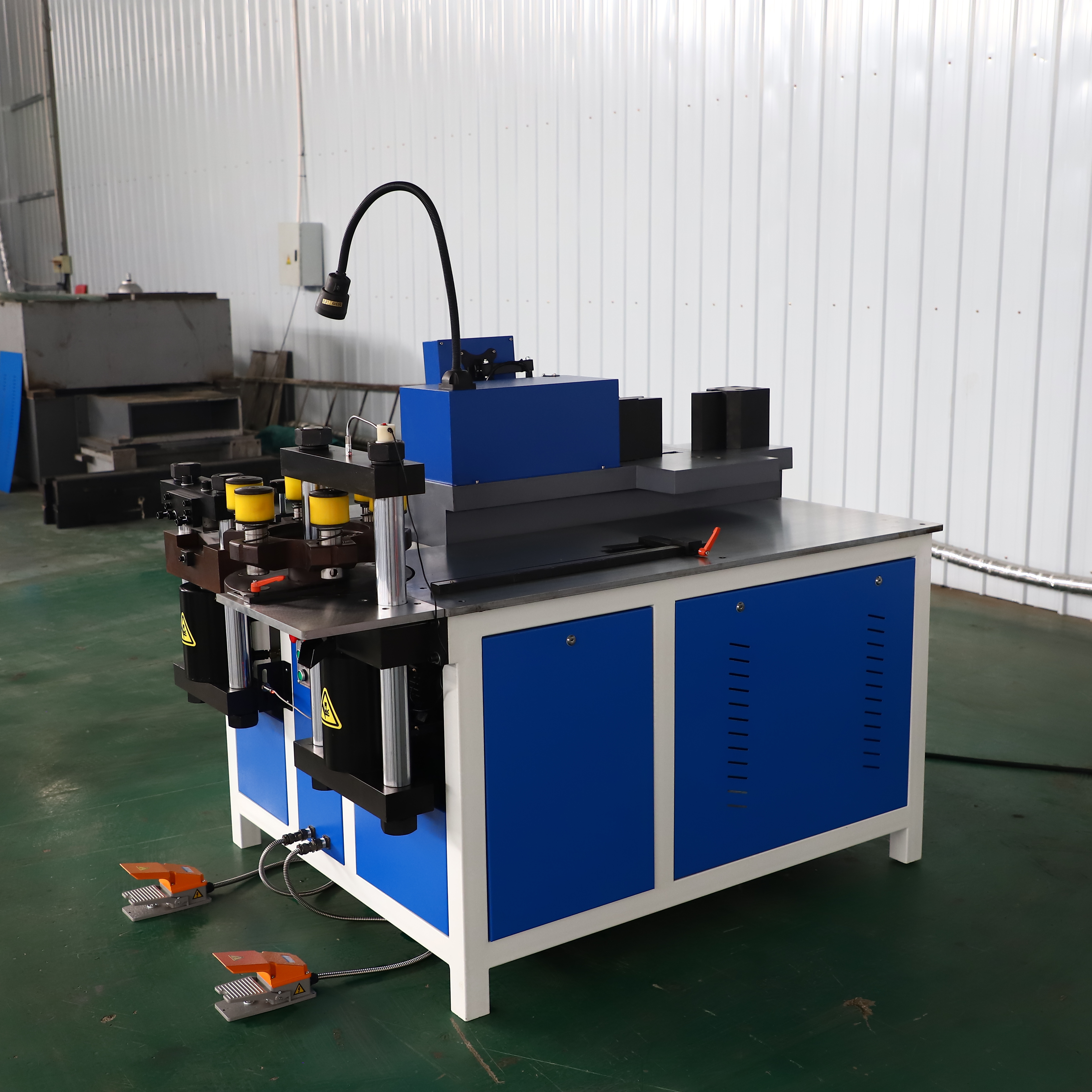
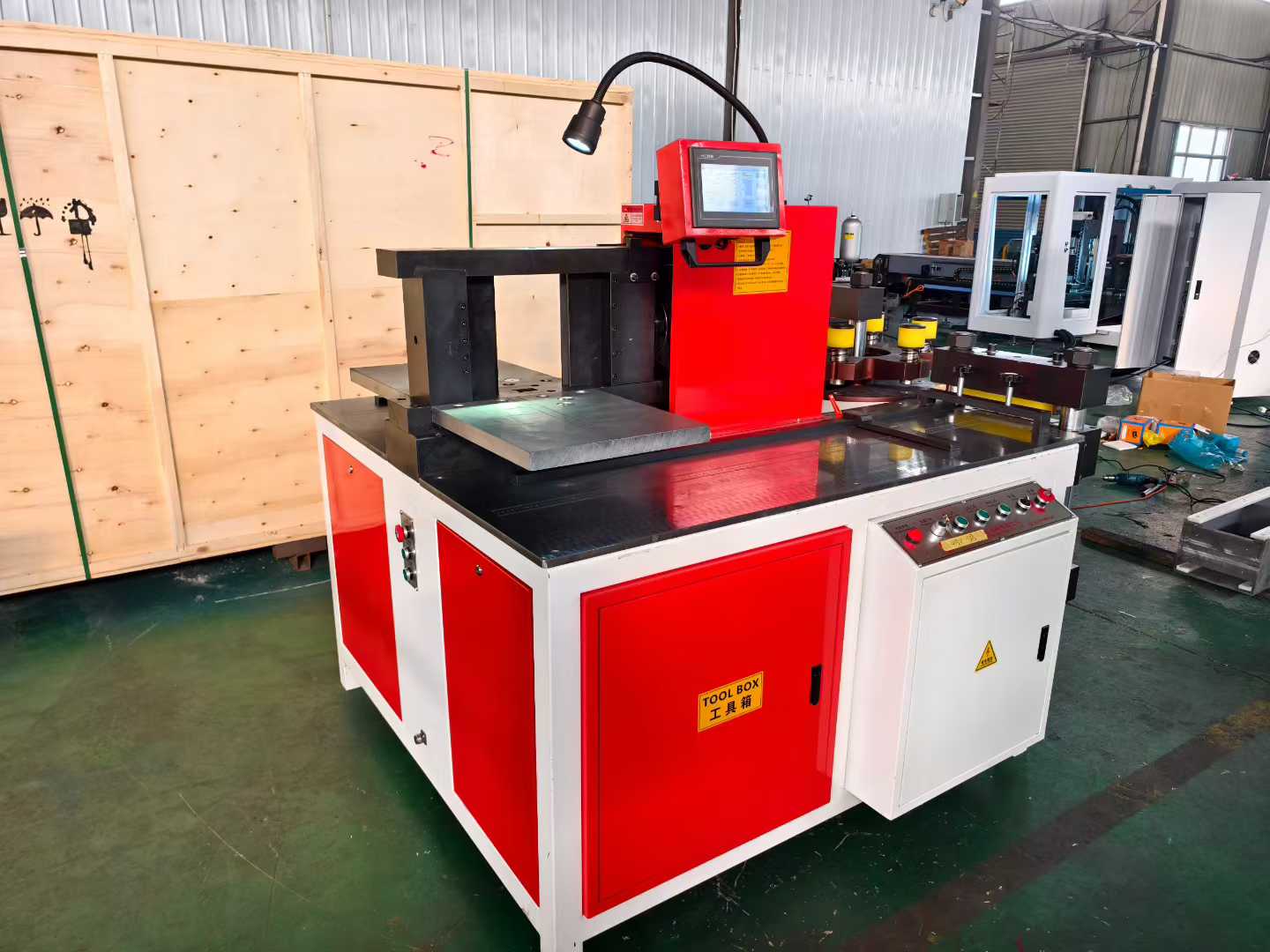
The three-in-one busbar processing machine has three independent workstations for punching, shearing, and bending. The three workstations can operate simultaneously without interfering with each other.
Punching function
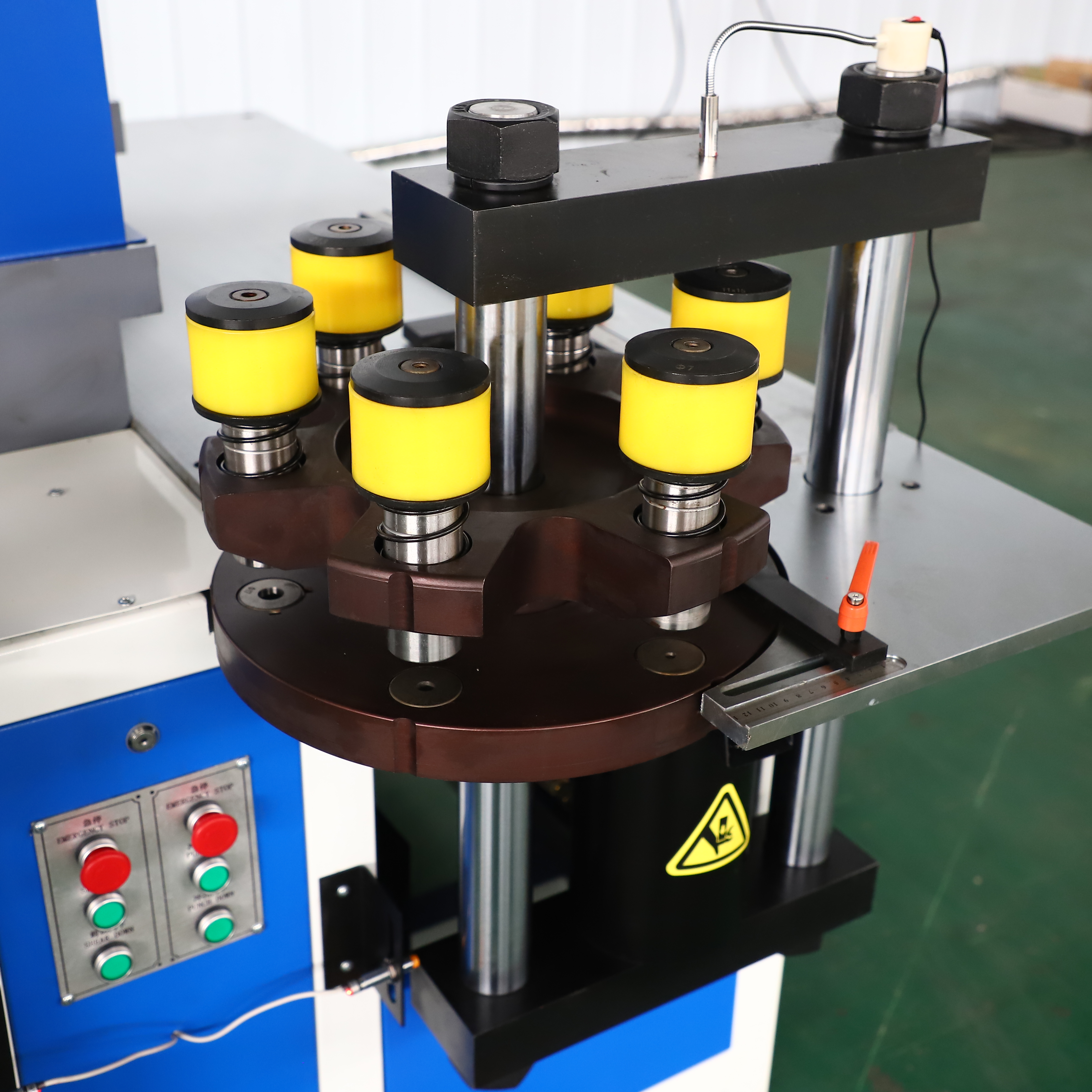
It adopts a ductile cast iron forged six-position integrated rotary table, which can accommodate dies of different sizes and shapes, eliminating the need for frequent die changes and providing high efficiency. The rotary table is machined as a single piece, better ensuring the concentricity of the upper and lower dies; the die mounting holes are CNC-machined, offering high precision and a long service life. By changing the dies, it can punch round holes, oval holes, square holes, and other irregularly shaped holes.
Shearing function
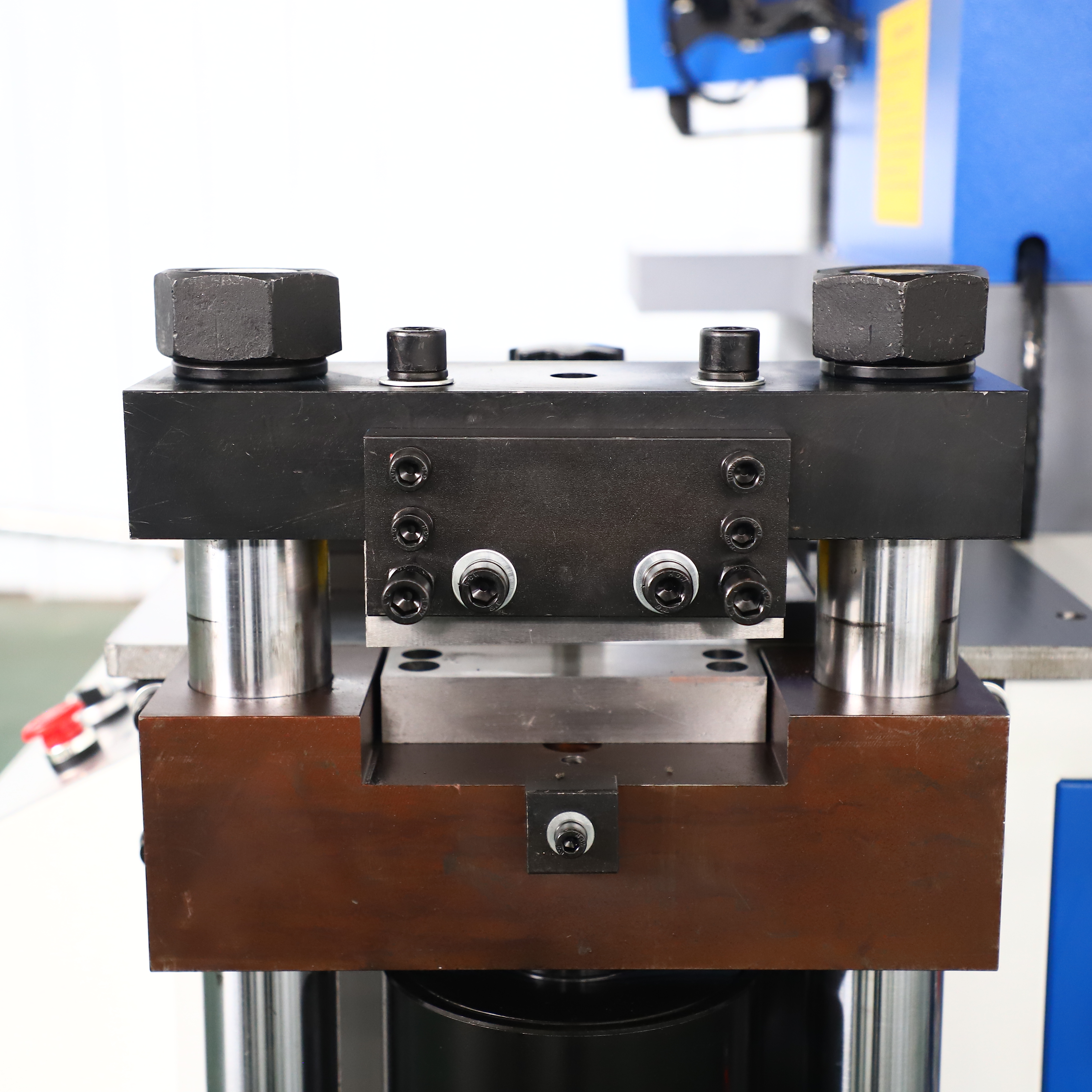
It adopts a thickened ductile cast iron center crossbeam, which ensures that it will not deform during long-term use and improves machine stability; it adopts a notching shearing structure, ensuring smooth, burr-free cut surfaces with no waste, saving material.
Bending function
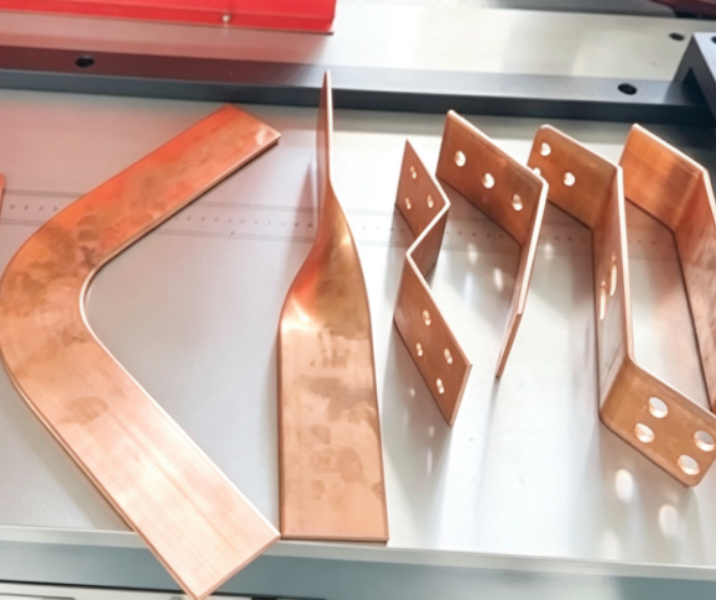
It provides more uniform processing when performing flat bending and embossing, improving positioning accuracy. The double-layer worktable allows the three units to operate simultaneously without affecting each other. By changing the dies, it can perform flat bending, edgewise bending, embossing, lug crimping, copper bar bending, twisting, and other operations.
CNC system
It uses a Siemens PLC control system, making operation simple; the bending angle is automatically controlled, and the system has a storage function for convenient saving and recalling at any time. Each workstation can be set with an automatic shutdown time, making it more energy-efficient and efficient. The system also has a fine-tuning function, making it more convenient to use。
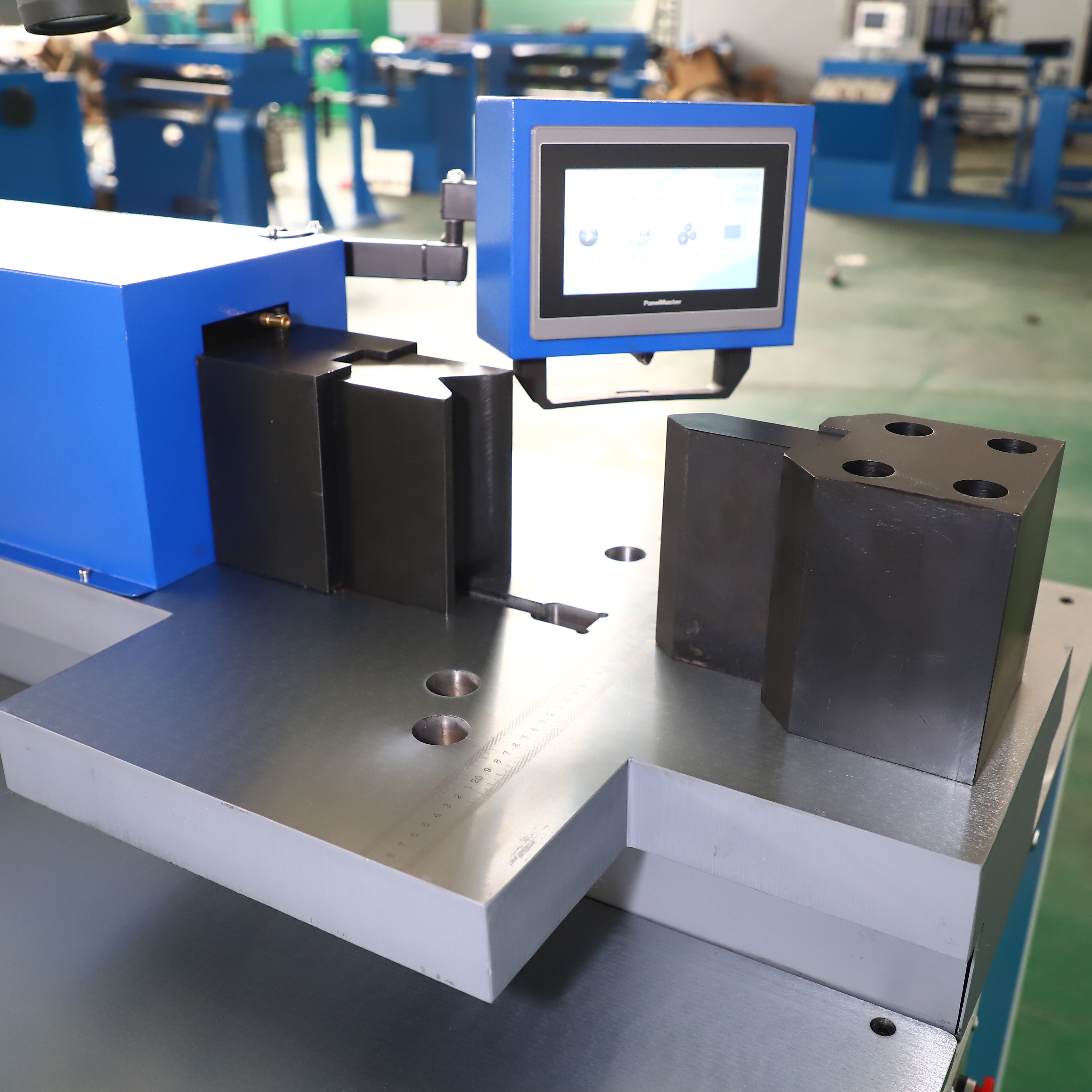

Working Principle of the Three-in-One Busbar Processing Machine
Powered by a hydraulic system, the machine transmits power to each working cylinder through control valves, driving the molds under pressure to complete various forming processes for busbars in a single operation. The complete workflow is as follows
○Material Loading and Positioning
Place the copper and aluminum busbar raw materials on the corresponding workbench, calibrate and secure them to prevent the raw materials from shifting during processing.
○Shearing and Cutting
Through the hydraulic system, the hydraulic cylinder is actuated to close the upper and lower double-blade shearing dies, cutting the busbar. Ensure that the cut surface is smooth and free of burrs, with no scrap material.
○Hole Punching Process
Place the busbar in the punching unit. Through the hydraulic system, the hydraulic cylinder applies downward pressure to the punch, causing the punch to pass through the busbar and enter the die, punching round holes and oblong holes. By changing the die, square holes and other irregularly shaped holes can also be punched.
○Bending and Forming
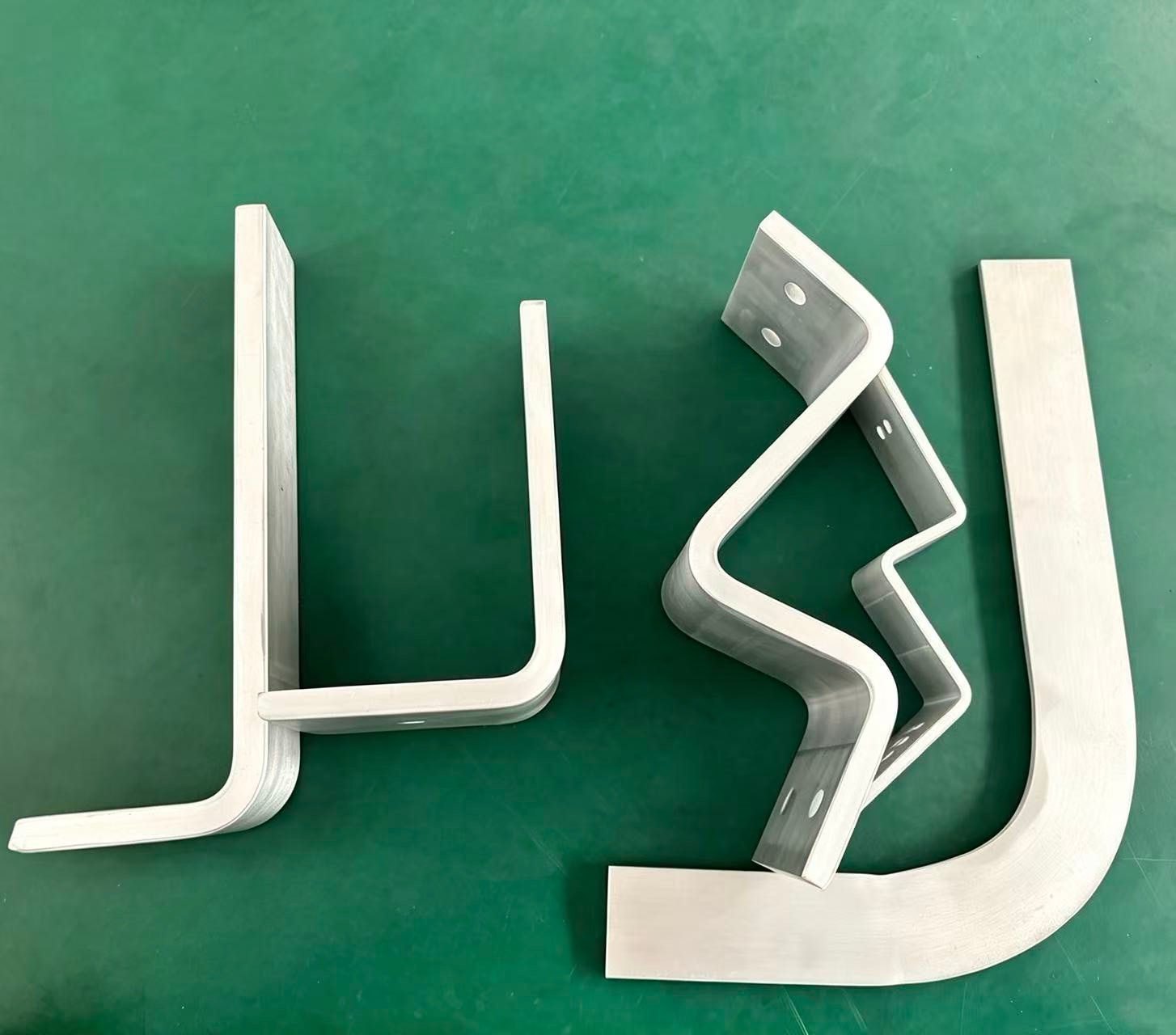
The hydraulic system generates power to drive the hydraulic cylinder, which actuates the bending die to press and bend the busbar. The bending angle is controlled by the positioning system, completing processes such as edgewise bending, U-shaped bending, and flatwise bending.
○ Finished Product Discharge and Removal
After processing is completed, the hydraulic cylinder returns to its original position, and the processed busbar is removed before proceeding to the next workpiece for cyclic processing.
How to choose the right 3-in-1 busbar processing machine?
Customers only need to provide the maximum width and thickness of the copper busbar to be processed, and our technical engineers can match a suitable busbar processing machine model. Our factory’s 3-in-1 busbar processing machines are available in three models, equipped with 300KN, 500KN, and 800KN hydraulic power systems. The technical parameter table for each model is as follows:
| Item | MX-303KSSK/303BSSK | MX-503BSSK | MX-803BSSK |
| Maximum processing width | 160mm | 260mm | 300mm |
| Maximum machining thickness | 16mm | 16mm | 20mm |
| Punching nominal pressure | 400KN | 500KN | 800KN |
| Drilling range | φ4.3- φ34mm | φ4.3- φ34mm | φ4.3- φ34mm |
Shear nominal pressure | 400KN | 500KN | 800KN |
Bending nominal pressure | 400KN | 500KN | 800KN |
| Maximum vertical bend plus width | 100mm | 100mm | 100mm |
Maximum vertical bend plus thickness | 10mm | 10mm | 10mm |
| power of motor | 3×4 KW | 3×5.5 KW | 3×7.5 KW |
Number of punching stations | Six-bit modecustomizable | Six-bit modecustomizable | Six-bit modecustomizable |
| fuel tankage | 90kg | 110kg | 110kg |
| Bending accuracy | ± 1 ° | ± 1 ° | ± 1 ° |
| Repeated bending accuracy | ±0.2° | ±0.2° | ±0.2° |
| outline dimension | 1780*1400*1400mm | 1800*1500*1400mm | 1950*1550*1400mm |
| machine weight | 1500kg | 1900kg | 2300kg |
Warm reminder:
1.The default voltage of our company's equipment is three-phase 380V 50HZ.If the local power supply voltage is different, our factory can customize the equipment for you, such as 400V 50HZ、380V 60HZ etc.
2.When selecting a three-in-one busbar processing machine, you should not focus solely on technical specifications; the key is to balance current production needs with long-term development. If you anticipate an increase in orders and a wider range of busbar processing specifications, prioritize models with strong processing capabilities and ample room for expansion to avoid the machine replacement costs caused by insufficient capacity later on. A three-in-one busbar processing machine that is stable and durable, offers suitable production capacity, and is easy to operate can effectively improve production efficiency and reduce labor costs.


Busbar processing machine customization and foreign trade adaptability
⬤Global voltage support customization
For different overseas customers, the equipment can be customized and adjusted according to the local voltage. After receiving the busbar machine, customers can connect it to the power supply and put it directly into operation.
⬤Undertake non-standard customization and special process customization
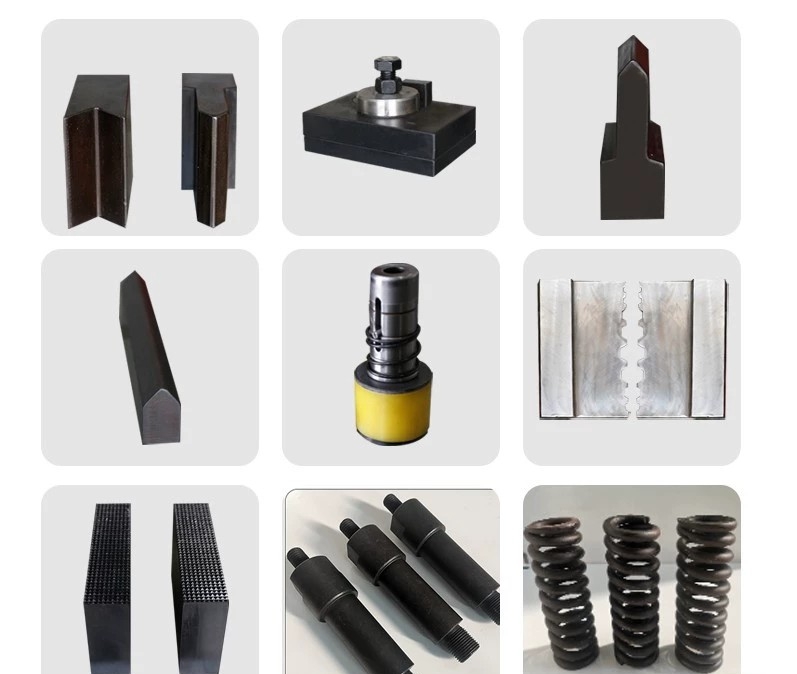
The standard molds can meet the processing requirements of conventional copper and aluminum busbars. If customers have special processing needs, such as punching holes in special shapes or bending at special angles, corresponding molds and functions can be customized separately.
⬤Support OEM private-label services
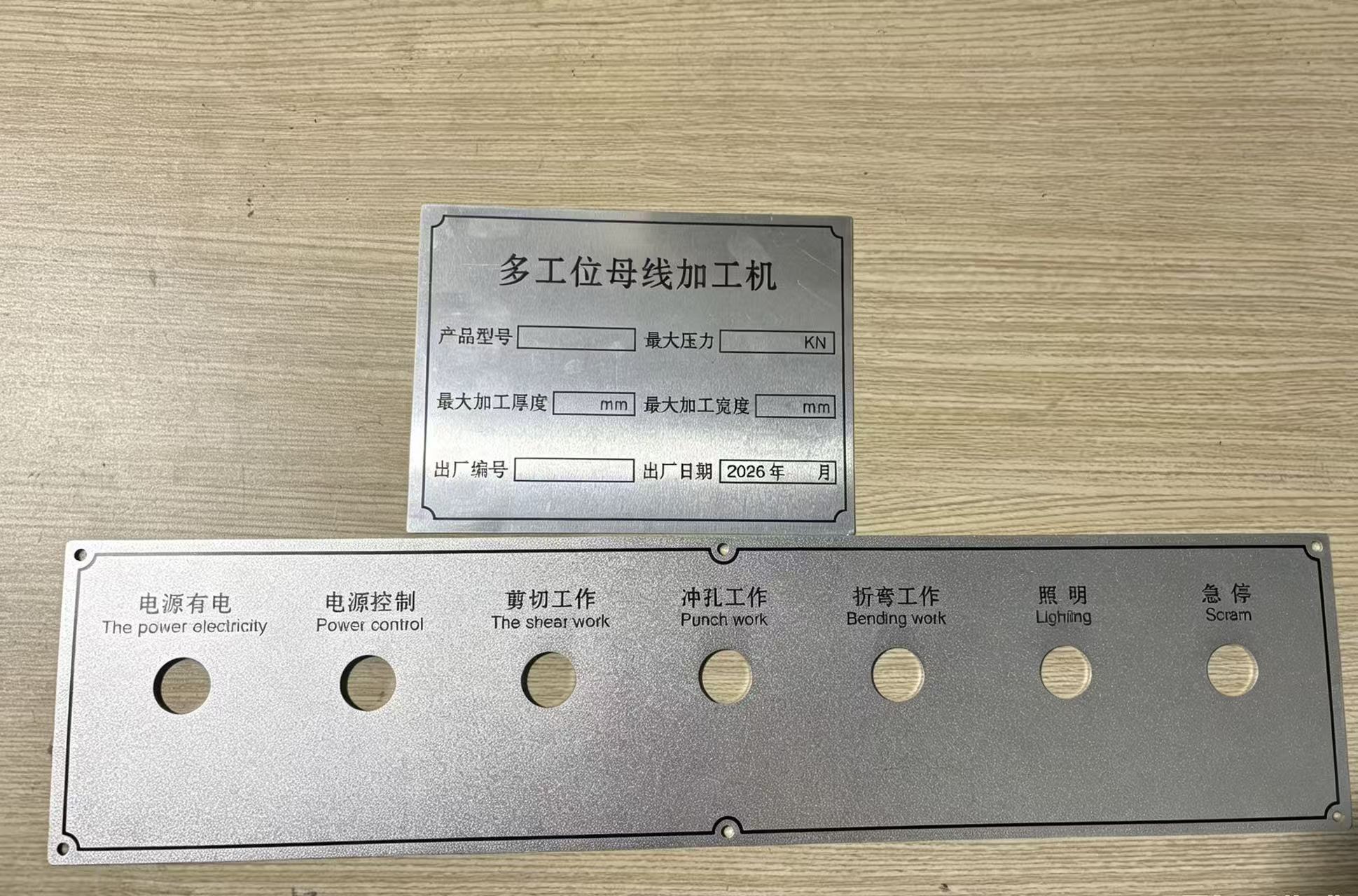
We can replace the machine identification, equipment nameplate, supporting documentation, etc. according to customer requirements to meet diverse customization needs.
⬤Technical documentation for foreign trade
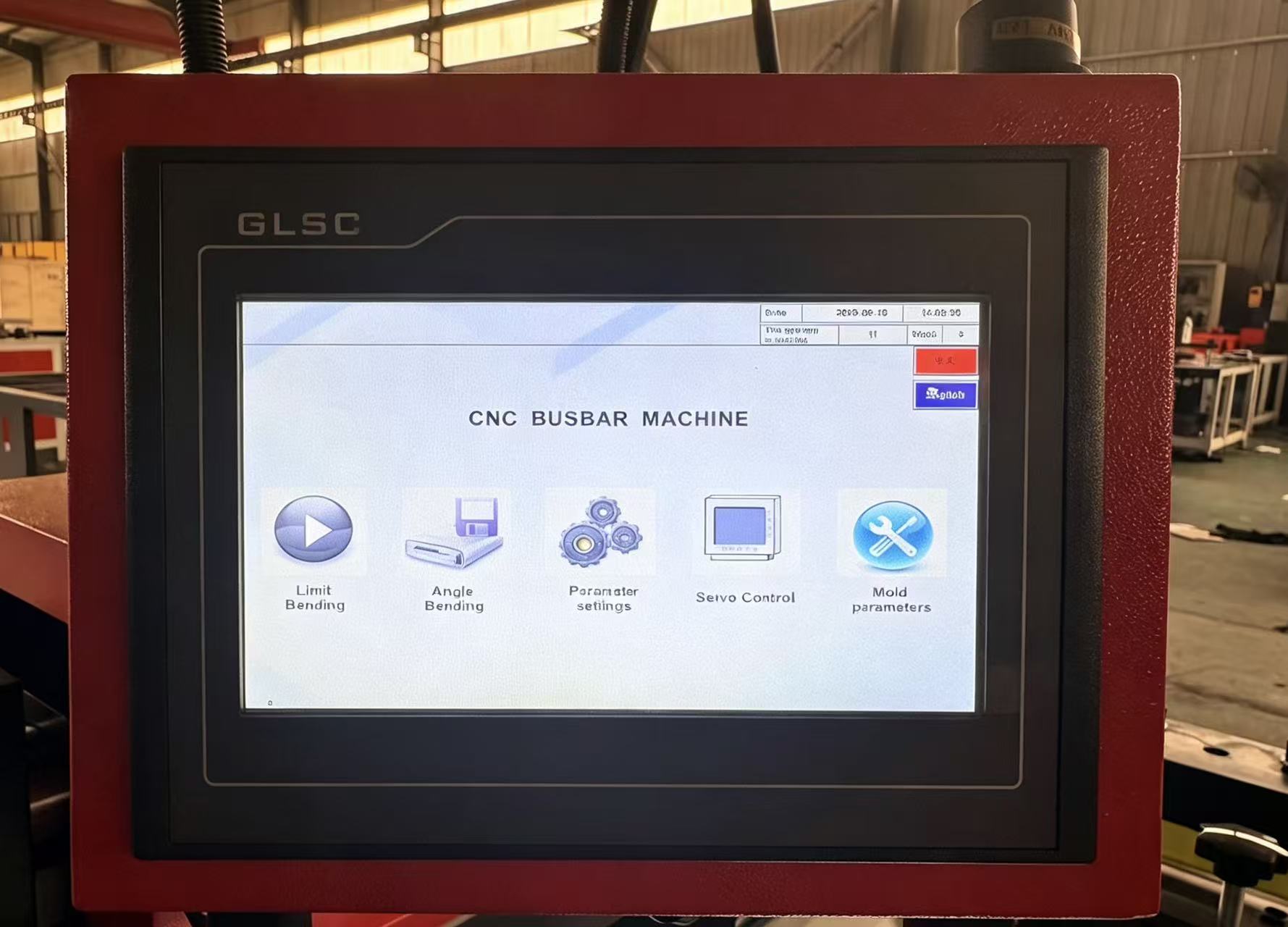
The display screens of the export equipment can switch between Chinese and English, and English instructions and operation manuals are also provided, making it convenient for overseas operators to install, commission, and carry out routine maintenance.

What materials can a 3-in-1 busbar processing machine process?
Copper busbars:
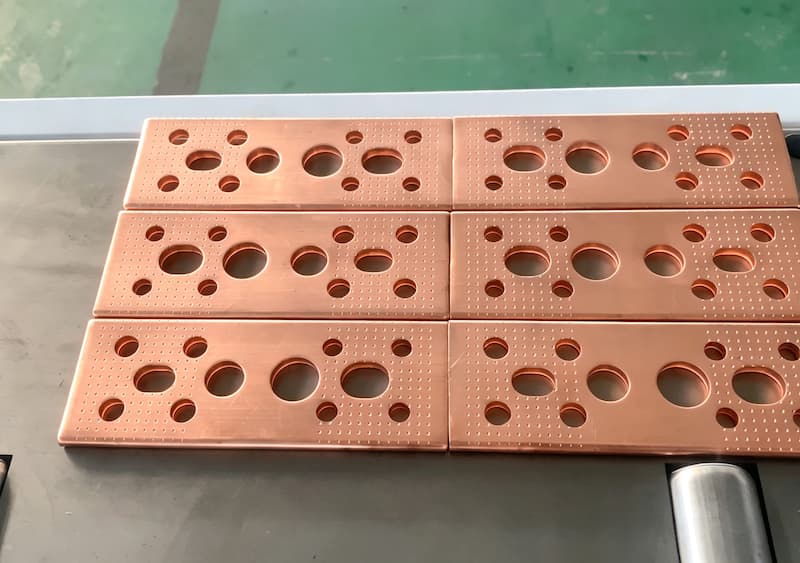
The most commonly used copper busbars in the industry, offering excellent electrical conductivity and suitable for high- and low-voltage switchgear, energy storage, and photovoltaic project construction. Tinned copper busbars can also be processed normally. Their surfaces have a plated coating, and replacing them with suitable dies during processing can prevent coating damage, protect the conductive contact surfaces of the busbars, and ensure the stable operation of electrical equipment.
Aluminum busbars:
Compared with copper busbars, aluminum busbars are softer and more cost-effective. Hydraulic drive ensures neat finished products after cutting, punching, and bending aluminum bars. By replacing the corresponding dies, aluminum bars can be processed to meet the needs of mass production in applications such as photovoltaic power distribution and low-voltage distribution cabinets. During bending, deformation can be prevented by properly controlling the pressure.
Note: All material processing must be within the equipment's width and thickness parameter ranges, and must not be used beyond specifications.
Processing hard, thick stainless steel is not recommended, as it will seriously damage the molds and hydraulic system.
Three-in-one busbar processing machine maintenance guide
Machine body and workstation cleaning
●After each use, clean copper shavings, aluminum shavings, dust, oil stains, and other debris from the equipment surface to prevent them from getting into gaps and interfering with the use of the entire machine.
●Placing the body in a dry environment can prevent the frame from rusting.
Hydraulic System Maintenance
●Check the hydraulic oil level and oil quality, and replace the oil promptly if it appears cloudy or black.
●Inspect the oil pipe fittings to prevent oil leaks and avoid insufficient pressure during operation.
Mold maintenance
●Regularly apply lubricating and rust-preventive oil to the mold to reduce wear and extend its service life.
●If the mold becomes deformed, please replace it promptly to avoid inaccurate machining caused by continued use.
Perform an inspection before starting the machine
●Check whether each workstation resets properly and whether the emergency stop button is functioning.
●After confirming that it can be used, run it unloaded for a few minutes, and only proceed with copper busbar processing if there are no issues.
Long-Term Storage Maintenance
●If the equipment will not be used for an extended period, apply rust-preventive oil to the worktable, all workstations, and the molds, disconnect the power supply, and store it in a dry, well-ventilated place
⚠Safety Reminder: Always disconnect the power supply before servicing the equipment. Live operation is strictly prohibited. Personnel must have the relevant operating qualifications.
Frequently Asked Questions
1.What materials can a 3-in-1 busbar processing machine process?
Copper busbars: Copper busbars are the most commonly used in the industry due to their high electrical conductivity. C110 copper busbars and tinned copper busbars are also frequently processed materials. They are suitable for high- and low-voltage switchgear, energy storage, and photovoltaic project construction.
Aluminum busbars: Aluminum busbars are soft and relatively low-cost, making them another commonly processed material. They are suitable for new energy, photovoltaic power distribution, and large-scale power distribution systems.
2.Is the three-in-one busbar processing machine difficult to operate?
The equipment is easy to operate. Personnel with no prior experience can get started after a short period of training, without the need for skilled technicians, and one person can complete the entire processing process.
3.Can chamfering be performed?
Yes, the edges of the busbar can be processed to remove burrs and sharp corners, making the processed busbar edges smoother, improving installation safety and the appearance of the product.
4.What standard punching dies are included, and can they be customized?
The standard dies supplied with the equipment include round holes in sizes 7.9.11.13.17.21, and oblong holes in sizes 13*18 and 17*21. In addition, we can provide one-to-one customization according to the customer's processing requirements. Whether rectangular or irregularly shaped holes, they can all be customized. The installation method is compatible with the standard dies, so they can be directly replaced, meeting various non-standard busbar hole-punching requirements.
5.Can the machine twist bars into a decorative twist? Can it emboss?
Yes, the standard configurations for shearing, punching, bending, and basic operations can handle embossing. The decorative twisting function is optional and requires additional customization of dedicated tooling.