Three-in-One Busbar Processing Machine Usage and Processing Guide: Production, Operation, and Die Customization
How to choose a 3-in-1 busbar processing machine for small-batch and large-batch production?
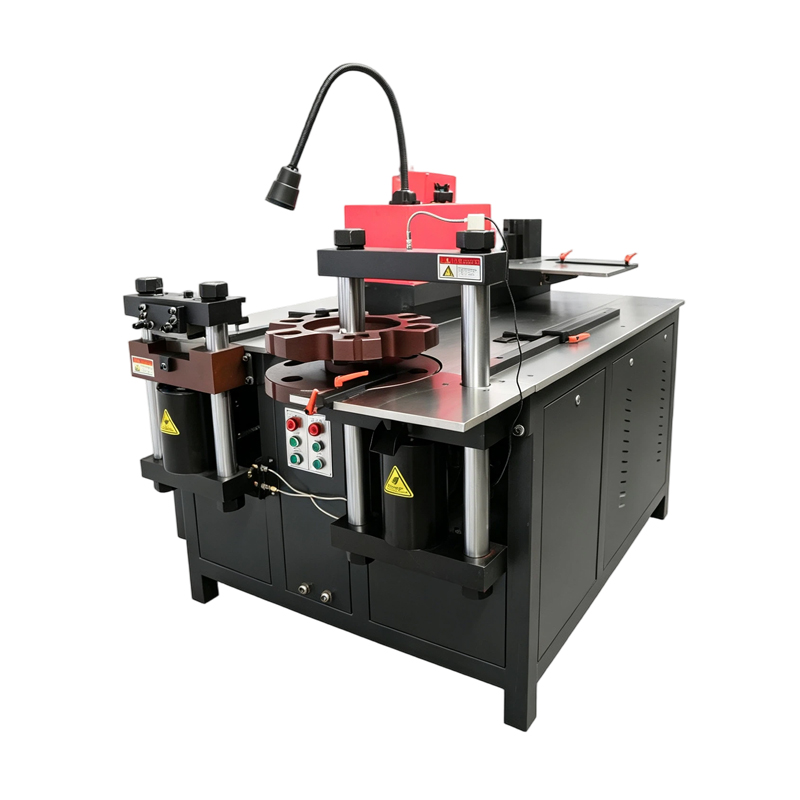
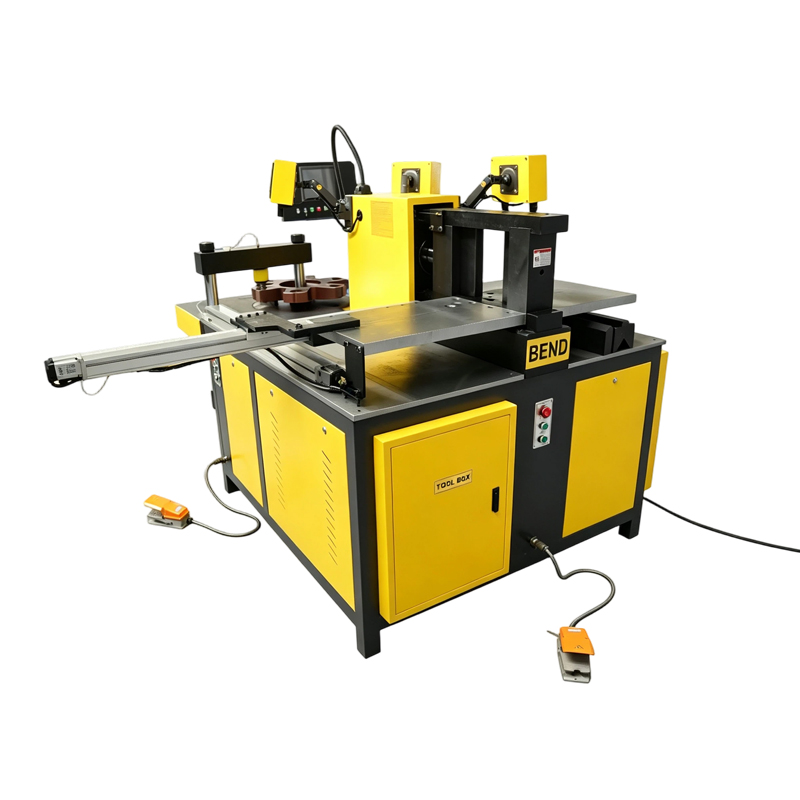
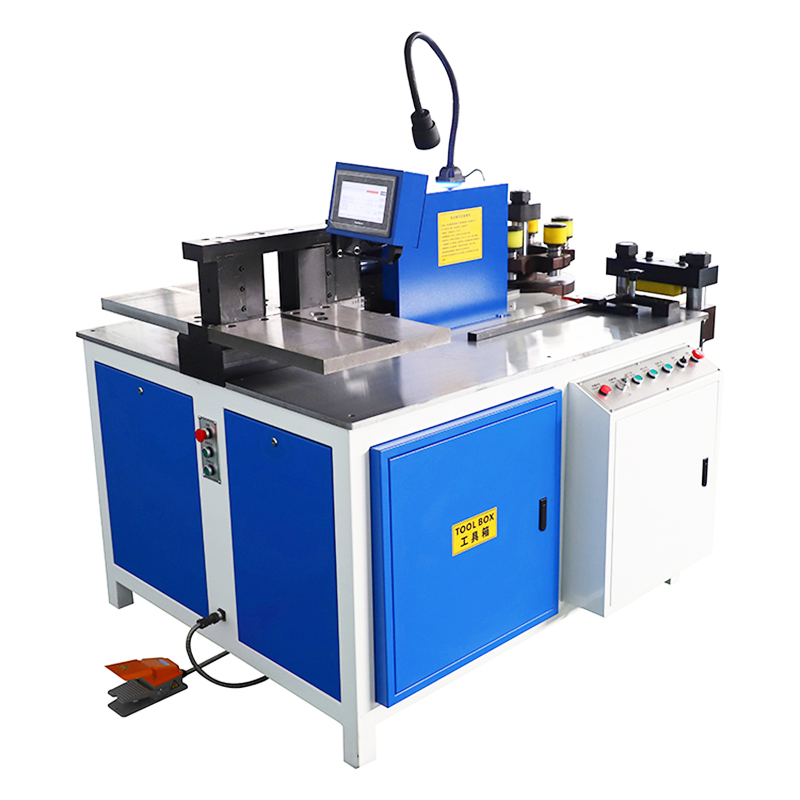
As a professional manufacturer of 3-in-1 busbar processing machines, we produce equipment that integrates shearing, punching, and bending, and can handle small-batch, multi-specification order processing needs.
Small-batch processing features: There are many types and specifications of processing drawings, with small quantities of individual products. For busbar processing with multiple specifications, the punching and bending dies can be changed quickly.
Advantages: The three-in-one busbar processing machine is easy to operate when changing dies, offers high cost performance, is sturdy and durable, and can accommodate the processing requirements of different materials, including copper and aluminum busbars.
The three-in-one busbar processing machine is not suitable for large-batch production scenarios.
Characteristics of large-batch processing: a single type of processing, but in large quantities, requiring continuous production
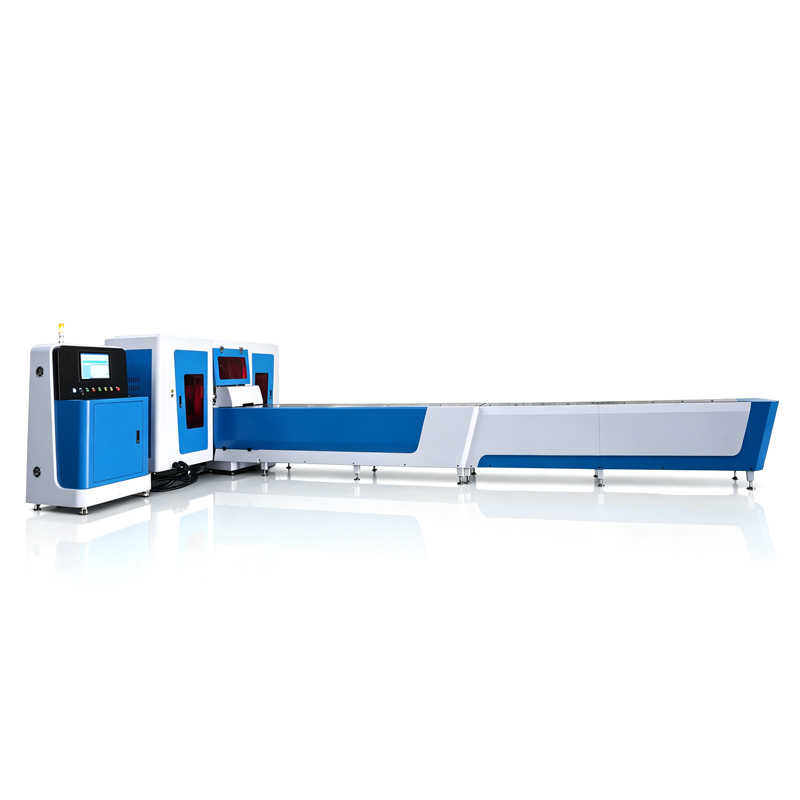
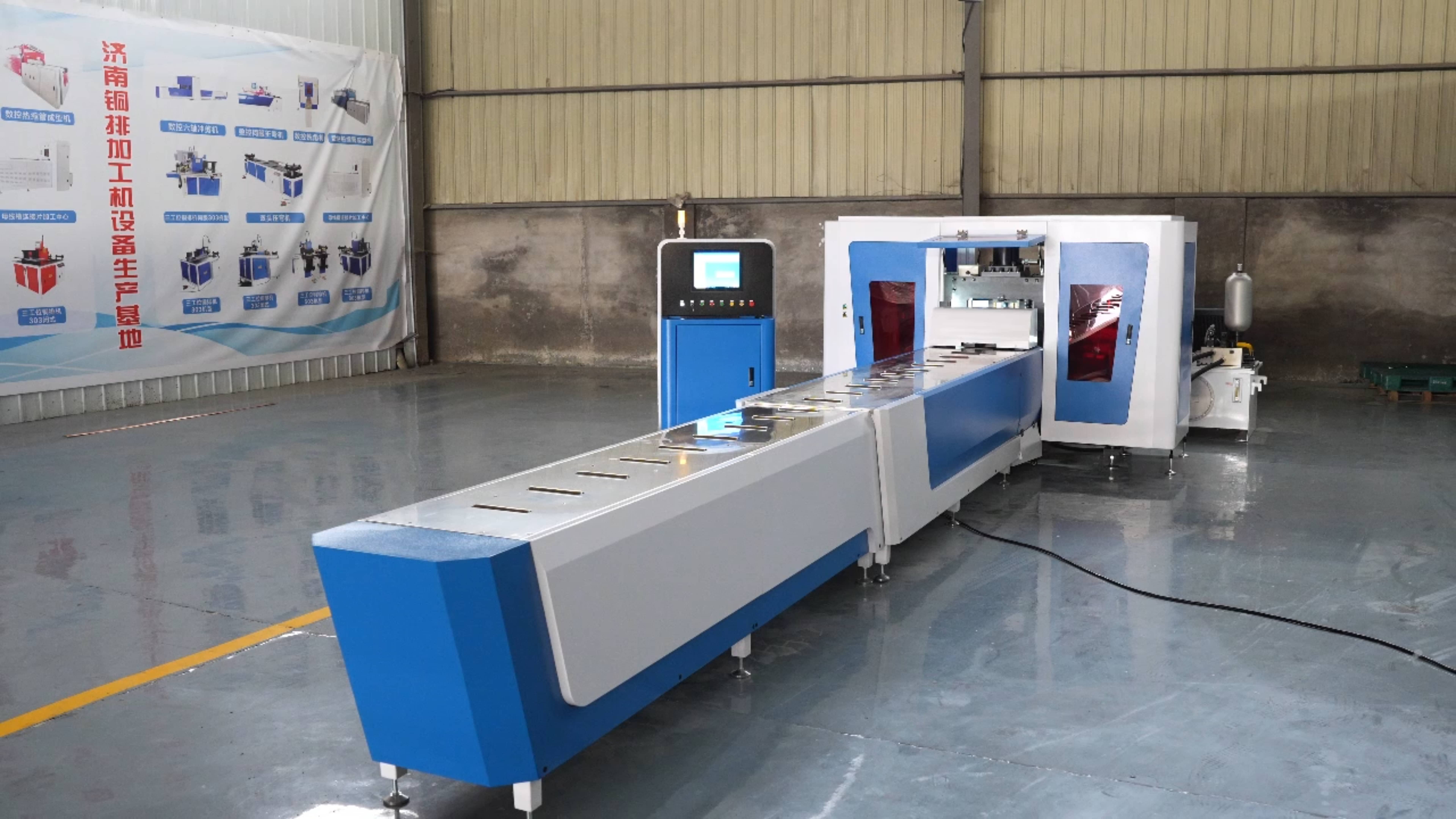
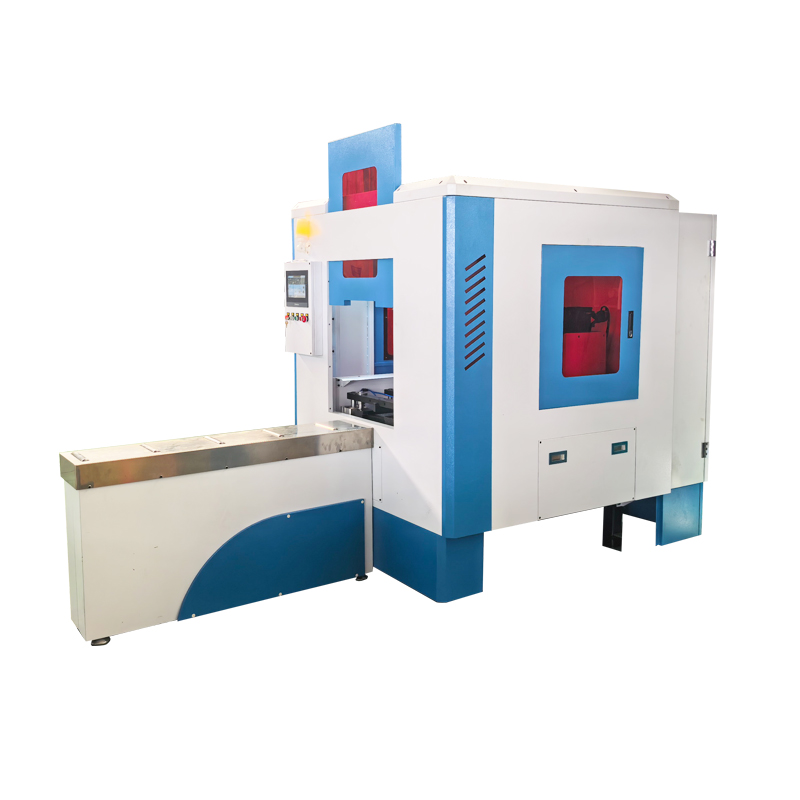
Disadvantages: Operators need to switch between workstations and manually change molds, which is time-consuming and does not support long-term, large-batch continuous production. For such scenarios, equipment such as CNC punching and shearing machines, CNC bending machines, and CNC chamfering machines can be selected.
What should be noted when operating a three-in-one busbar processing machine?
When using a three-in-one busbar processing machine to process copper and aluminum busbars, conducting pre-operation inspections can effectively reduce defective parts and equipment failures and eliminate safety hazards. The following preparations should be given particular attention during processing:
Equipment Safety Inspection
Confirm whether the equipment wiring is normal and whether there is any damage or exposed wiring.
Clear away debris from the workbench and keep the processing area clean and tidy.
Mold Inspection
Check whether the mold matches the specifications of the busbar to be processed.
Check whether the mold is severely worn, and ensure that the mold is securely installed, properly aligned, and that the fasteners are tightened.
Hydraulic System Inspection
Check whether the hydraulic oil is within the standard level range and whether there are any oil leaks.
Run the machine without load for several minutes after startup, check whether there are any abnormal noises, and confirm that the hydraulic system is operating normally.
Positioning Scale Adjustment
According to the dimensions of the busbar, adjust the positioning stops at the shearing, punching, and bending stations, and tighten the fixing bolts to prevent the busbar from shifting during processing and causing dimensional deviations.
Raw Material Inspection
Confirm that the material and thickness of the copper and aluminum busbars meet the requirements, and check whether the material has any wear or dents. If the raw material is deformed, it must not be processed.
Batch Production Only After First-Piece Inspection Passes
After the three-in-one busbar processing machine has been fully adjusted, process the first sample. Use a protractor and caliper to inspect the finished product, and proceed with batch processing only after confirming that it passes inspection.
Can the dies for the three-in-one busbar processing machine be customized according to requirements?
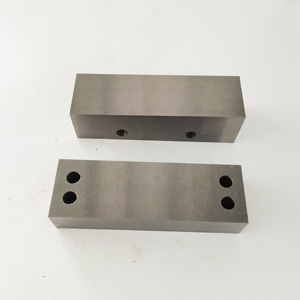
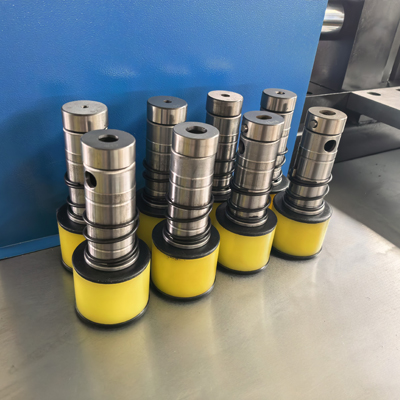
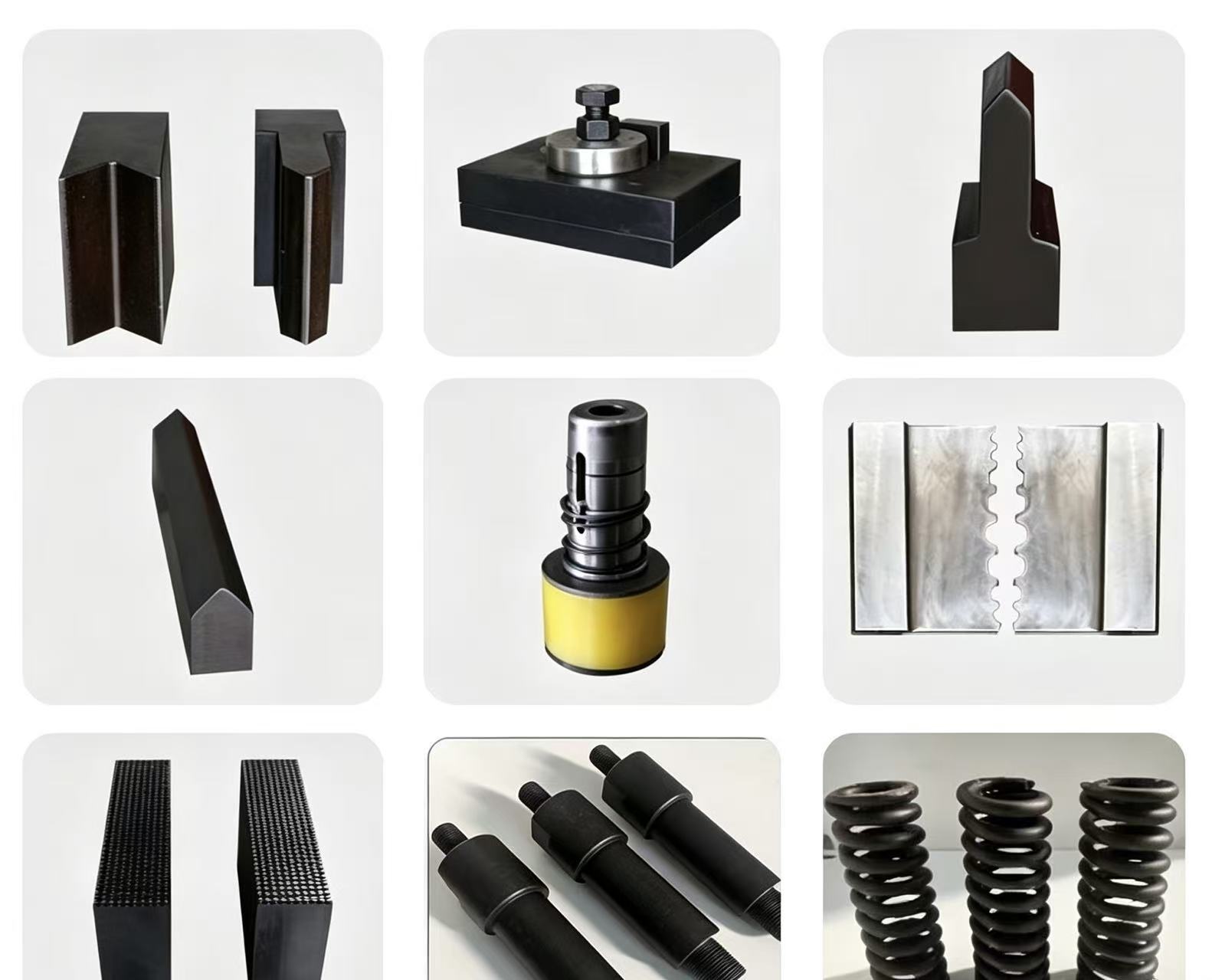
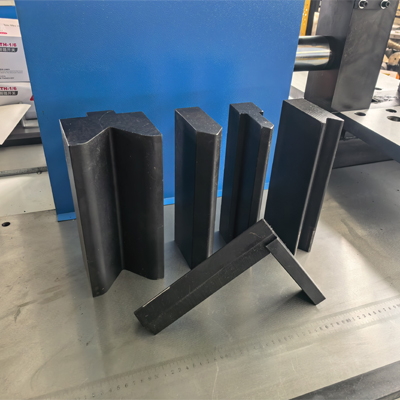
In addition to standard dies, the three-in-one busbar processing machine supports customized dies according to customer drawings and accepts non-standard customization requirements. Customized dies are suitable for special processing requirements of copper and aluminum busbars, meeting the personalized processing needs of power distribution cabinet and switchgear manufacturers.
Custom Shearing Dies: Custom shearing tools are designed according to the thickness and width of the busbar to ensure a smooth, burr-free sheared surface.
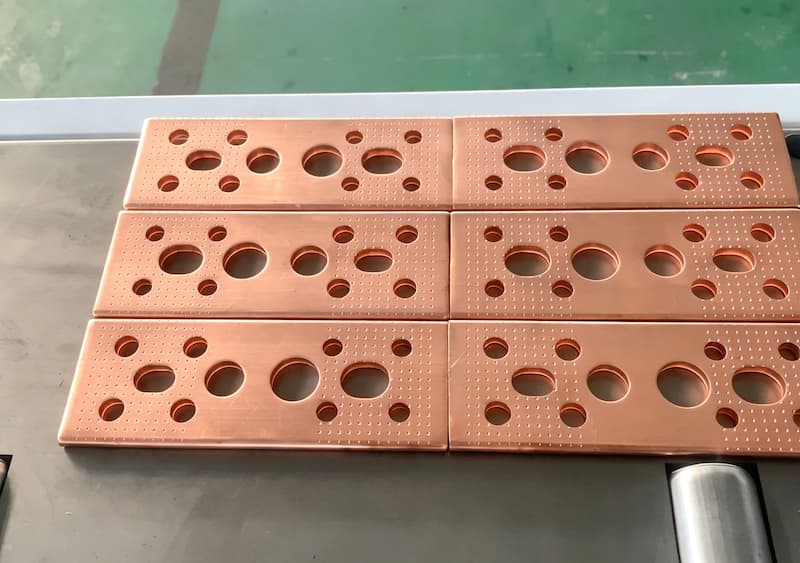
Custom Punching Dies: In addition to conventional round and oblong holes, square holes and other irregularly shaped holes can be customized, and busbar chamfering can also be achieved. Targeted designs can be developed according to customer requirements.
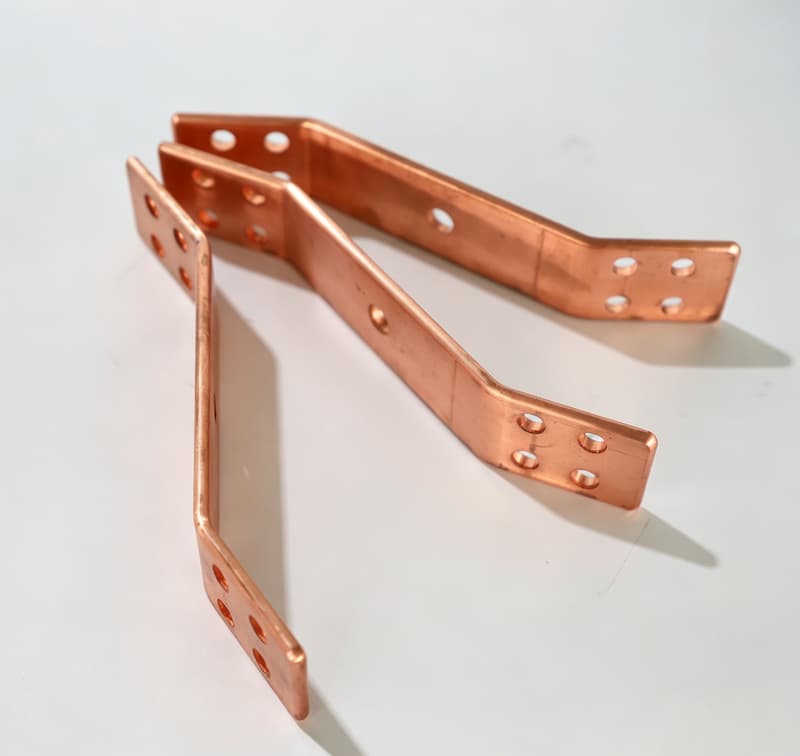
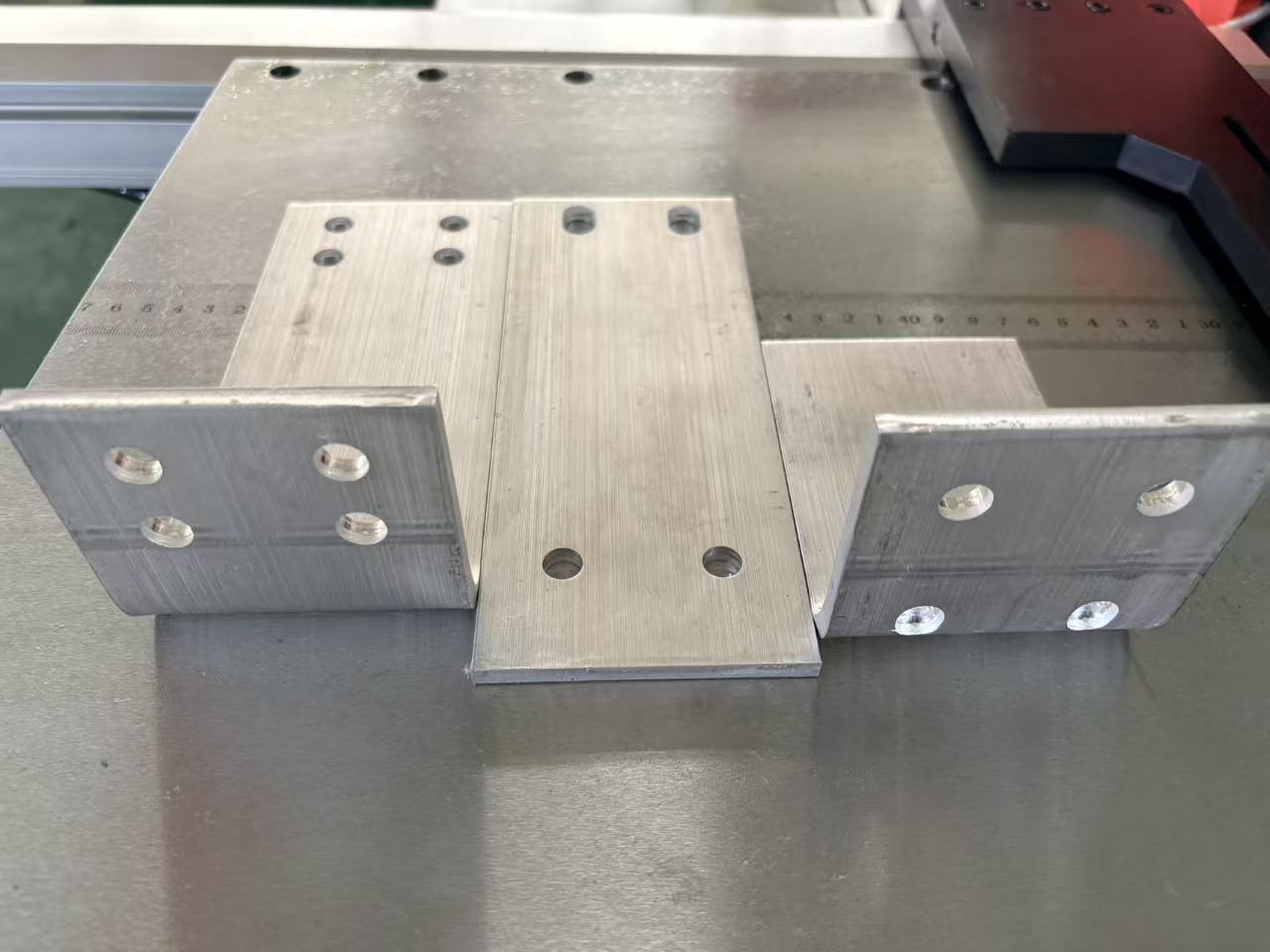
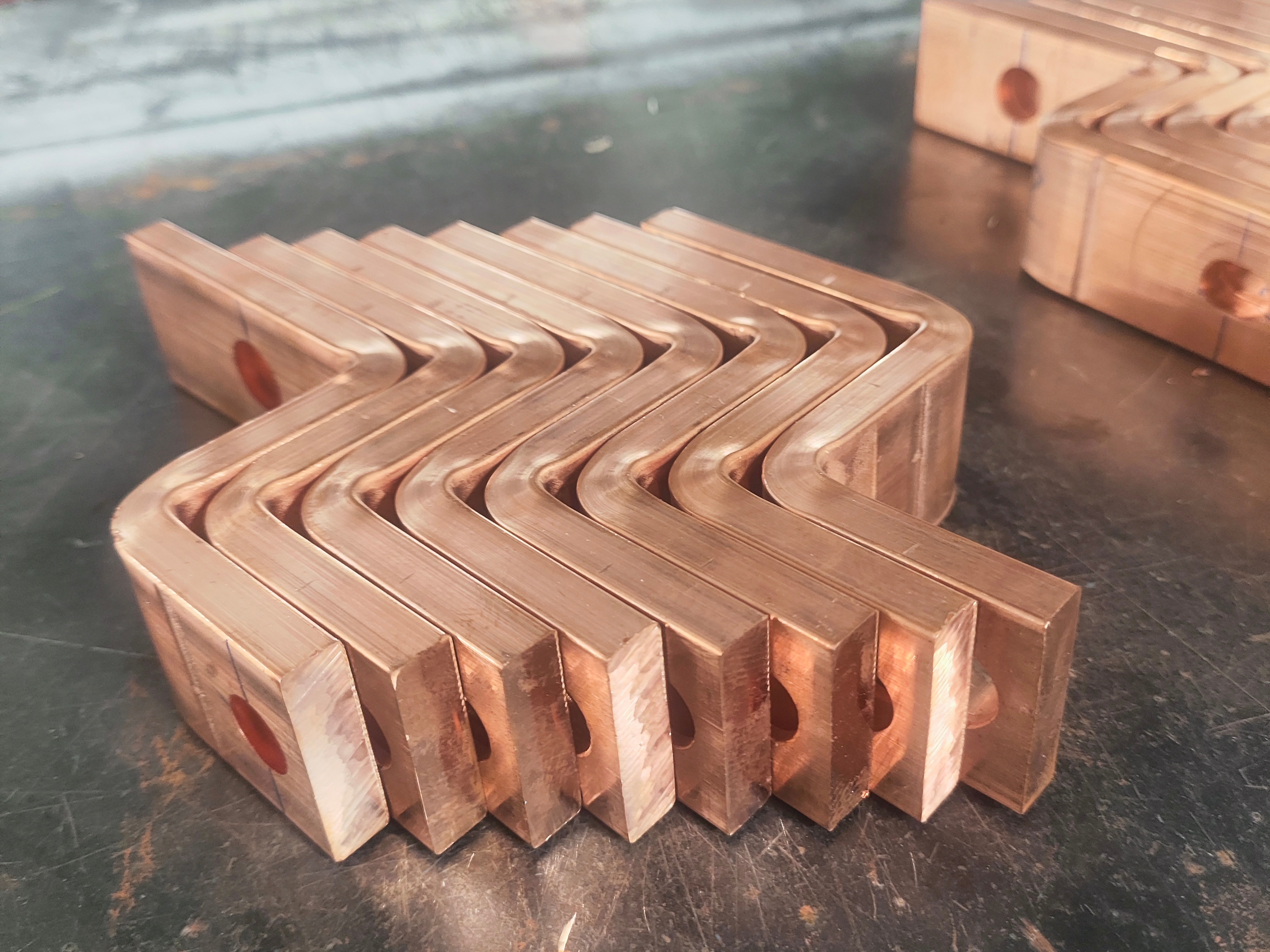
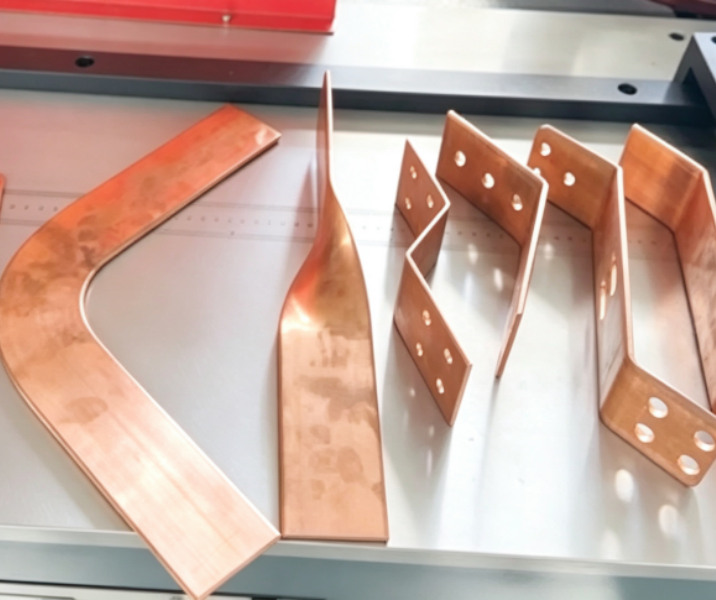
Custom Bending Dies: Supports flat bending, edgewise bending, U-shaped bending, and embossing. Special forming and bending dies can also be customized for twisting, cable lug crimping, and other applications, meeting various complex production requirements.
If customization is required, please provide the busbar drawings or samples to our technicians. We will design and process them, and the customized molds can be used directly on the three-in-one busbar processing machine.
What processing requirements can a three-in-one busbar processing machine meet?
The three-in-one busbar processing machine integrates shearing, punching, and bending, and can meet the busbar processing requirements of industries such as distribution cabinets, high- and low-voltage electrical complete sets, energy storage, and photovoltaic power distribution. It is suitable for conventional processing of copper and aluminum busbars.
●Shearing requirements: It can cut copper and aluminum bars with smooth cut edges. The upper-and-lower double-blade shearing mechanism ensures that the busbar cut is smooth and burr-free, meeting the dimensional specifications of the busbar.
●Punching requirements: It can punch round holes, oblong holes, and irregularly shaped holes, ensuring consistent hole dimensions and smooth, burr-free inner walls, meeting the requirements for bolt assembly openings. Punching dies can be customized to achieve processing of different hole diameters.
●Bending requirements: It can perform flat bending and edgewise bending of busbars. The bending is controlled by a CNC system, with standardized bending angles that meet the assembly requirements of distribution cabinets.
●Dimensional accuracy requirements: Manual marking and processing have reasonable tolerances, and the accuracy can meet the assembly requirements of standard busbars for high- and low-voltage distribution cabinets.

Frequently Asked Questions
Q:Can busbars of different specifications be used on the same three-in-one busbar processing machine?
A:Yes. As long as the width and thickness of the busbar are within the processing range, you only need to replace the corresponding dies to process copper and aluminum busbars of various specifications.
Q:How should I handle non-standard bending angles on a three-in-one busbar machine?
A:The bending station is controlled by a CNC system. Aluminum busbars have greater springback during processing, so angle compensation needs to be reserved in advance during processing, and the scale and positioning ruler should also be checked to ensure they are properly positioned.
Q:Can the three-in-one busbar processing machine work continuously for 24 hours?
A:It is not recommended to work continuously for long periods; intermittent use is more suitable; continuous use will cause the hydraulic system temperature to rise, affecting the equipment's service life and processing accuracy.