Busbar Cutting Machine: Working Principle, Processing Quality, and Suitable Applications
What Is a Busbar Cutting Machine?
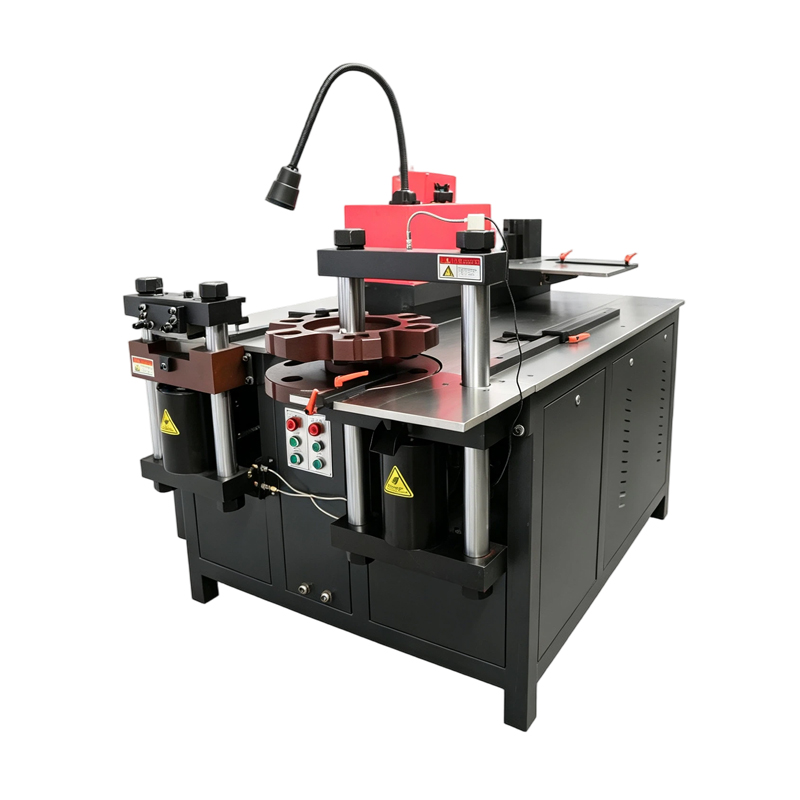
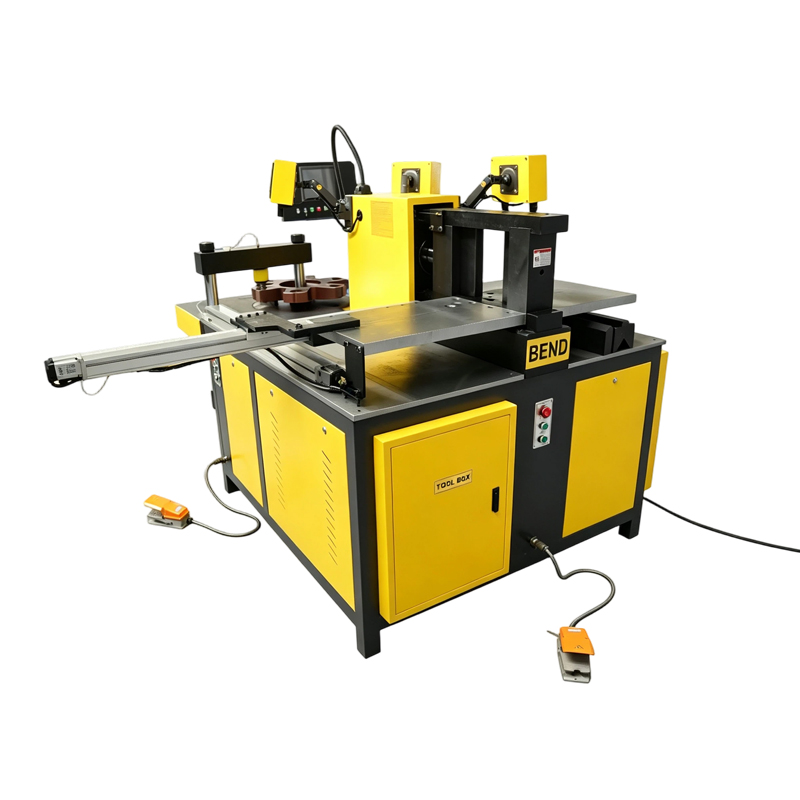
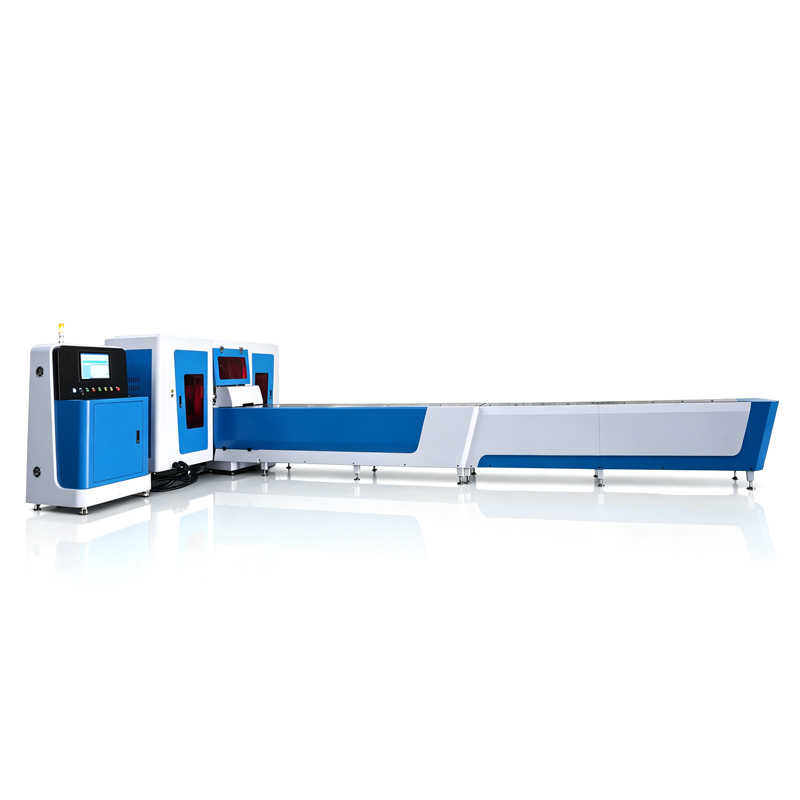
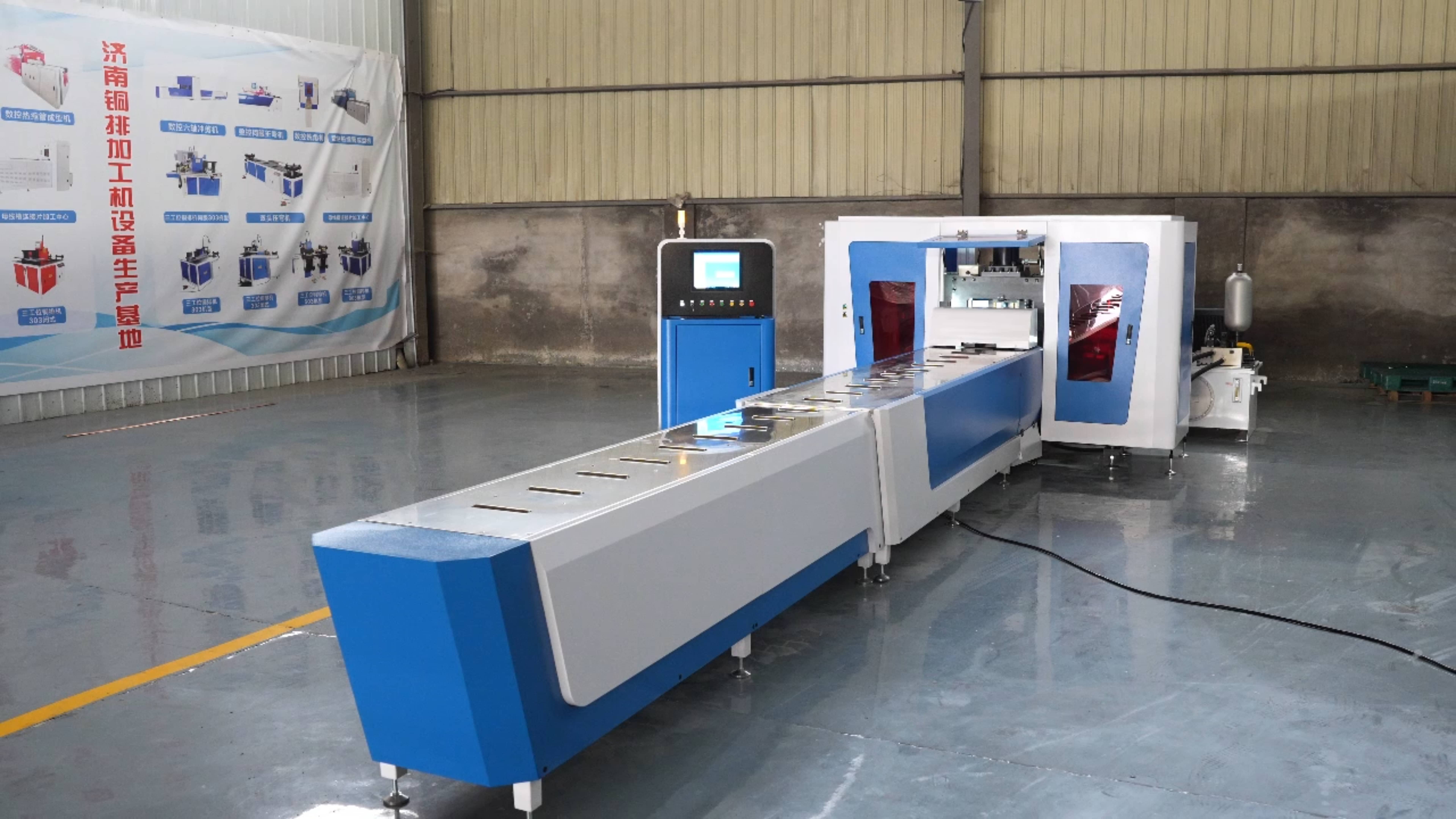
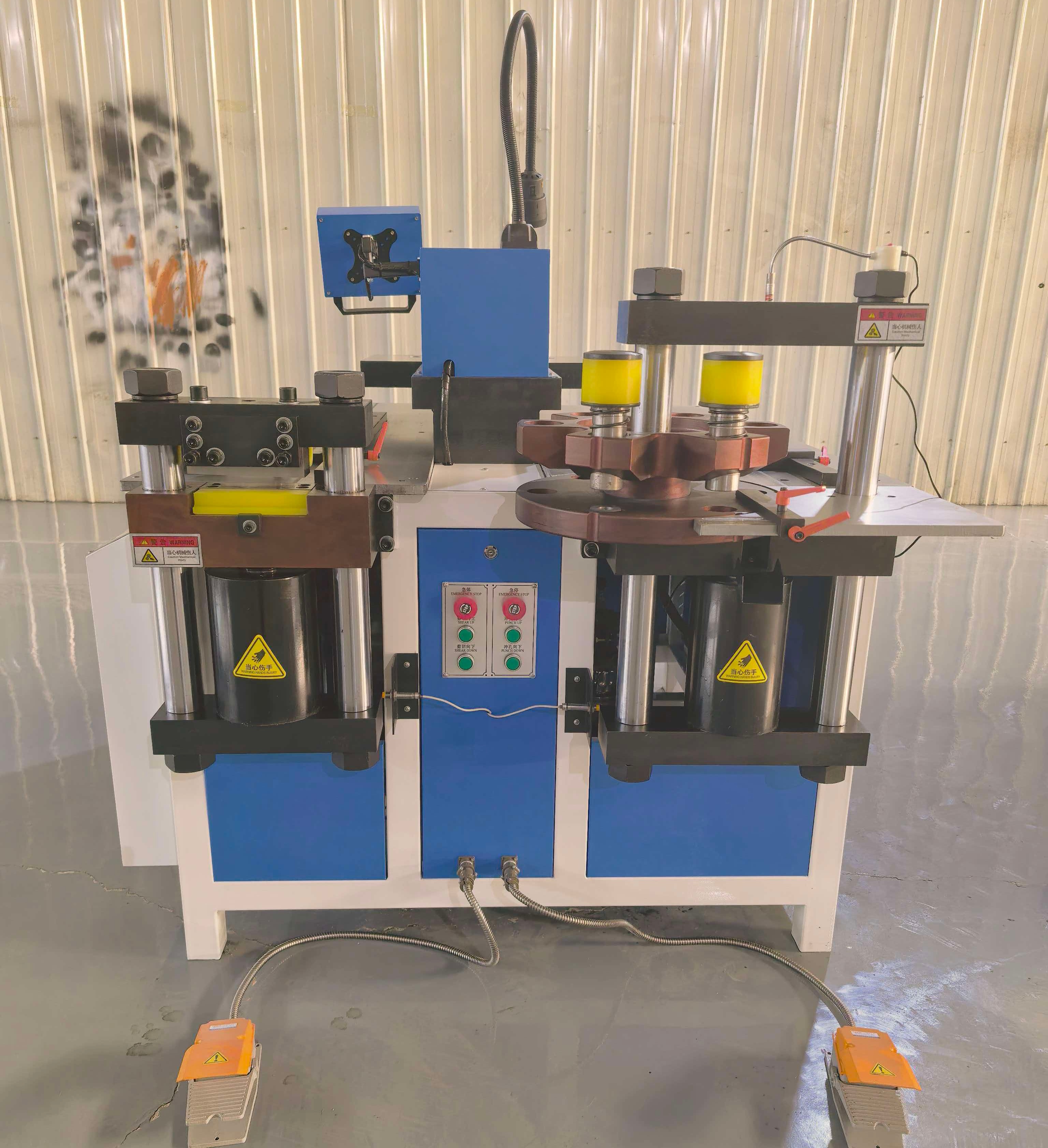
A busbar cutting machine is an industrial machine used to cut copper or aluminum busbars. It is mainly used in the manufacturing and processing of distribution cabinets, switchgear, and complete electrical equipment.
Depending on the specific configuration, the machine can perform various busbar processing operations, including cutting, punching, bending, embossing, slotting, and chamfering. These processes help improve cutting dimensional accuracy, punching hole spacing accuracy, and bending angle precision.
What Is the Working Principle of a Busbar Cutting Machine?
The processing workflow of a busbar cutting machine mainly includes material loading, manual positioning, clamping, cutting, punching, and bending. It can process copper or aluminum busbars into finished conductive components. The processing quality directly affects the installation accuracy of finished products, the connection quality of electrical joints, and the efficiency of the production line.
●Manual Busbar Positioning
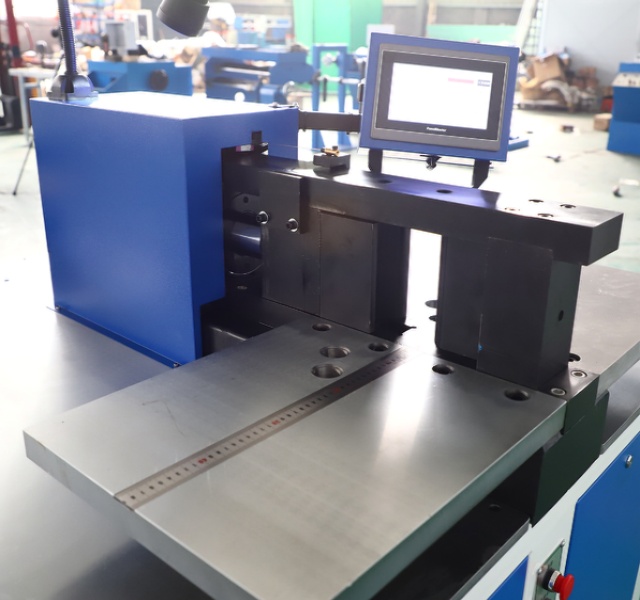
Manually feed the copper or aluminum busbar into the processing station and position it according to the graduated scale. After confirming that the marking is aligned with the processing position, use a fixture clamp plate to secure the busbar and prevent it from shifting during processing. Positioning accuracy mainly depends on whether the operator follows proper procedures for marking, alignment, and clamping.
●Busbar Cutting Process
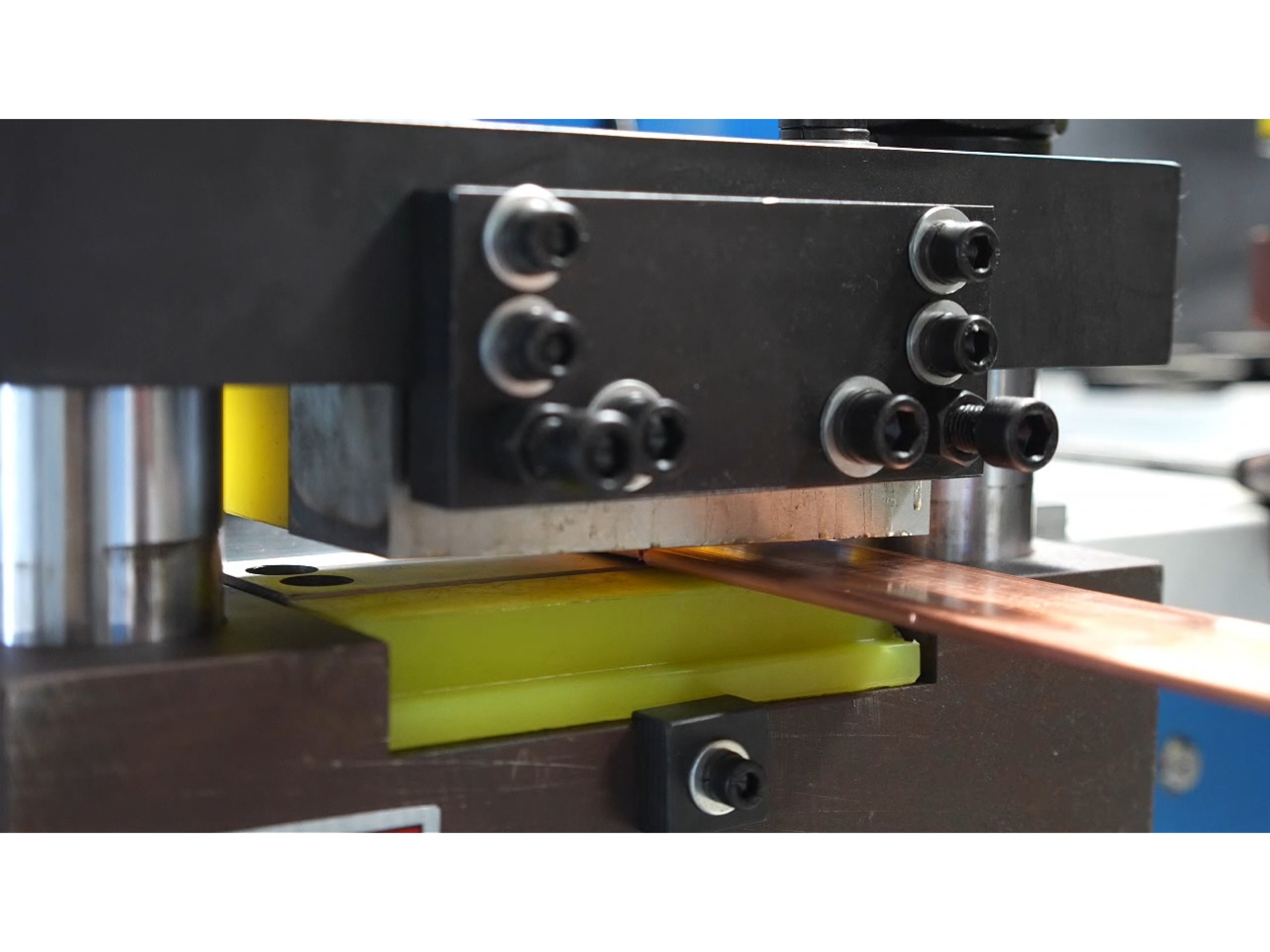
Place the clamped busbar between the cutting blades. The hydraulic system drives the cylinder, causing the upper and lower blades to move relative to each other to cut the busbar. During processing, the appropriate blade clearance must be adjusted according to the busbar specifications.
●Busbar Punching and Bending Processes
Punching: Manually feed the busbar, align the marked hole position with the center of the die, and secure the workpiece. The hydraulic system then drives the cylinder, forcing the punch downward to complete the punching process.
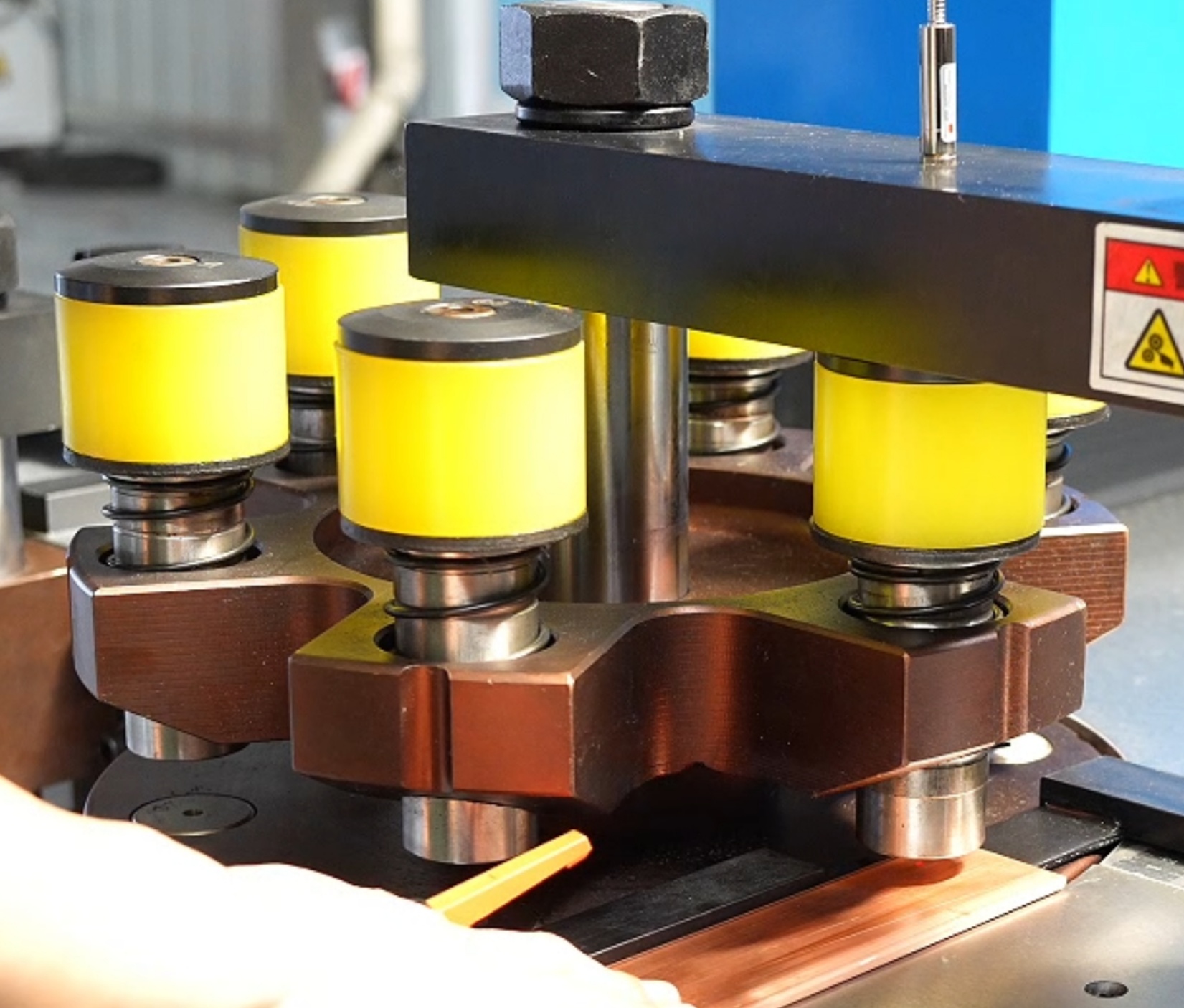
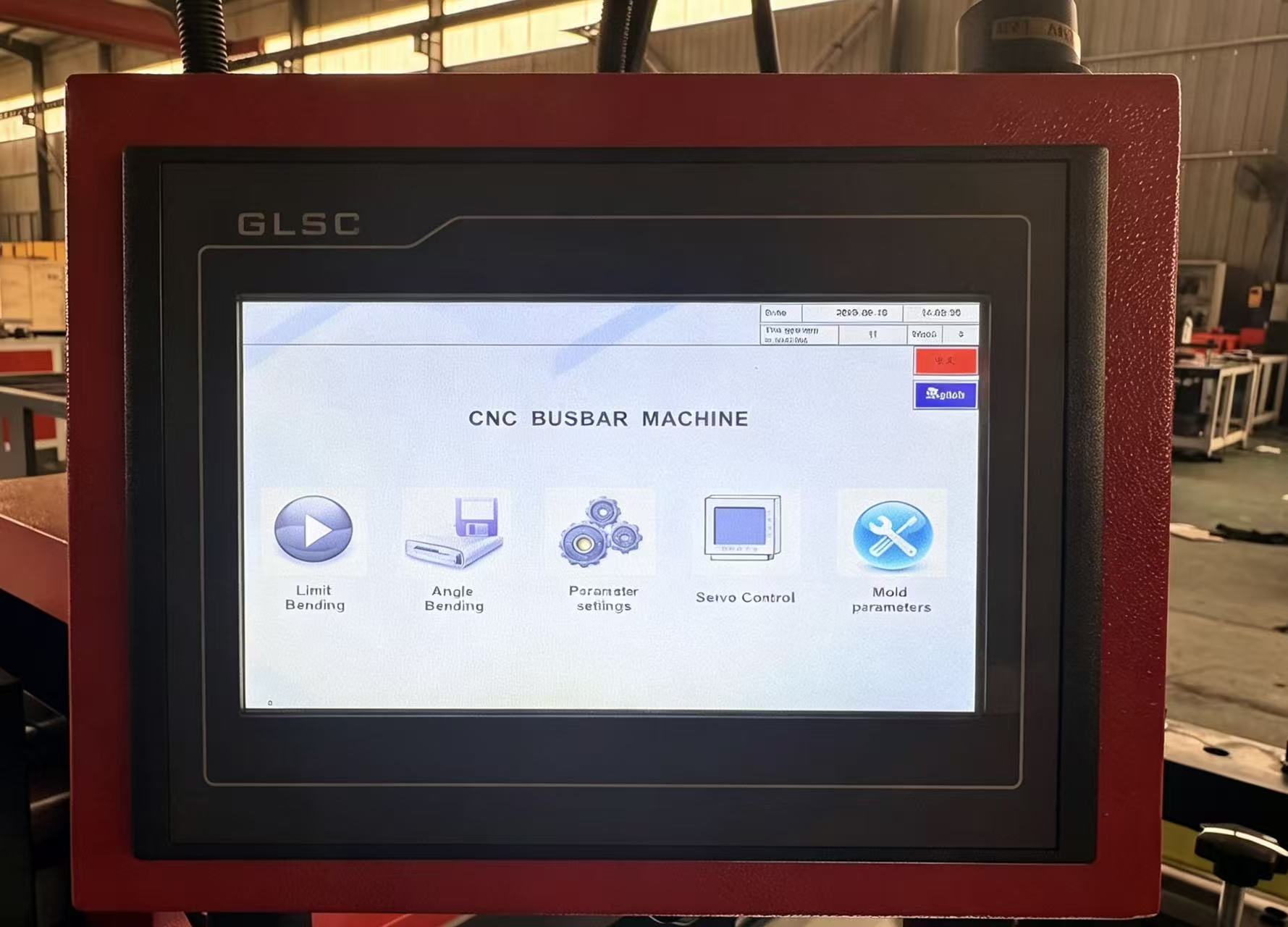
Bending: Manually feed the busbar and enter the processing dimensions and bending parameters according to the machine configuration. The bending angle is controlled by the CNC system to form the busbar into the required shape.
●Inspection of Finished Busbars
After the entire busbar processing workflow is completed, the finished products must be inspected. The inspection includes busbar cutting length, punching hole spacing, hole diameter, bending angle, and surface condition. Once the products pass inspection, they can be delivered for subsequent assembly.
Key Working Units of a Busbar Cutting Machine
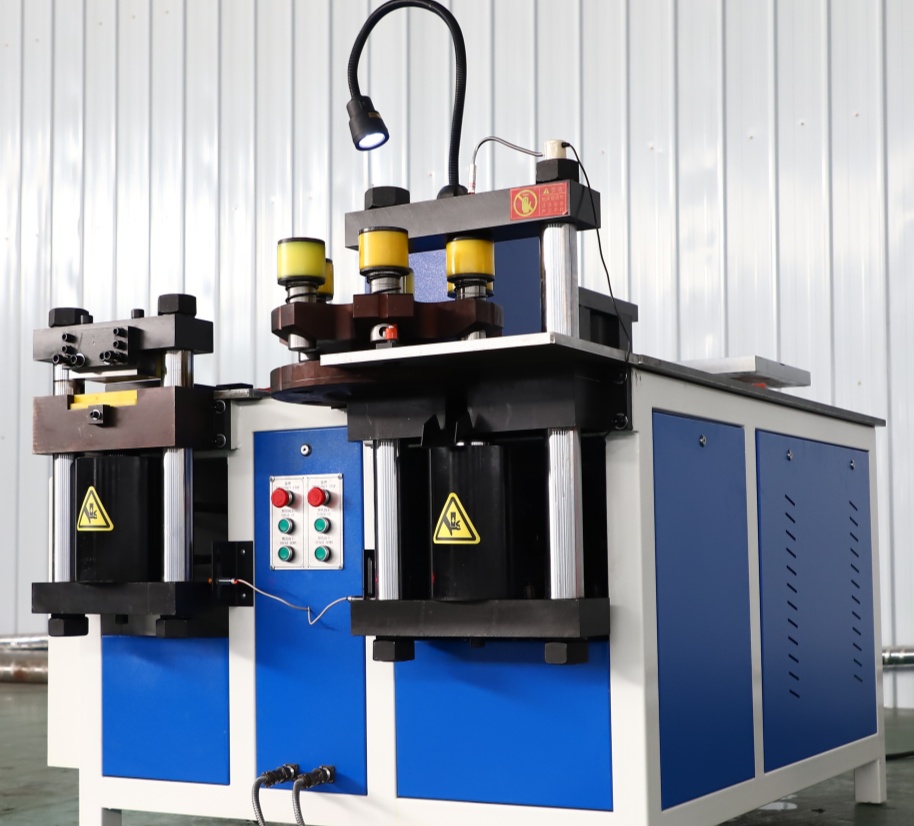
A busbar cutting machine integrates multiple processing units. Understanding the function of each unit helps factories select the appropriate machine model based on their actual production needs.
Busbar Cutting Unit
The cutting unit precisely controls the finished busbar length, minimizes material waste, and ensures consistent product dimensions.
A smooth, burr-free cutting surface helps improve assembly accuracy in switchgear. If your workshop processes large quantities of busbars in different lengths every day, you can choose a CNC busbar processing machine with stable positioning, clear length adjustments, and consistent cutting performance to improve production efficiency.
Busbar Punching Unit
The punching unit processes mounting holes according to the requirements of technical drawings, helping improve hole positioning accuracy during cabinet assembly and reduce assembly issues.
If production requires multiple hole diameters or frequent changes in hole positions, it is recommended to confirm the compatibility range of the punching dies and the machine's positioning method before placing an order.
Busbar Bending Unit
The bending angle of a busbar directly affects the installation shape of the finished product. A reliable busbar cutting machine helps control bending accuracy and meet the assembly requirements of switchgear.
When production involves repeated processing of right-angle bends, U-shaped bends, and Z-shaped busbar bends, the CNC parameter storage function can save the relevant processing parameters. This eliminates the need to manually adjust the parameters each time, improves changeover efficiency, and reduces the workload of operators.
Hydraulic System, Control System, and Tooling
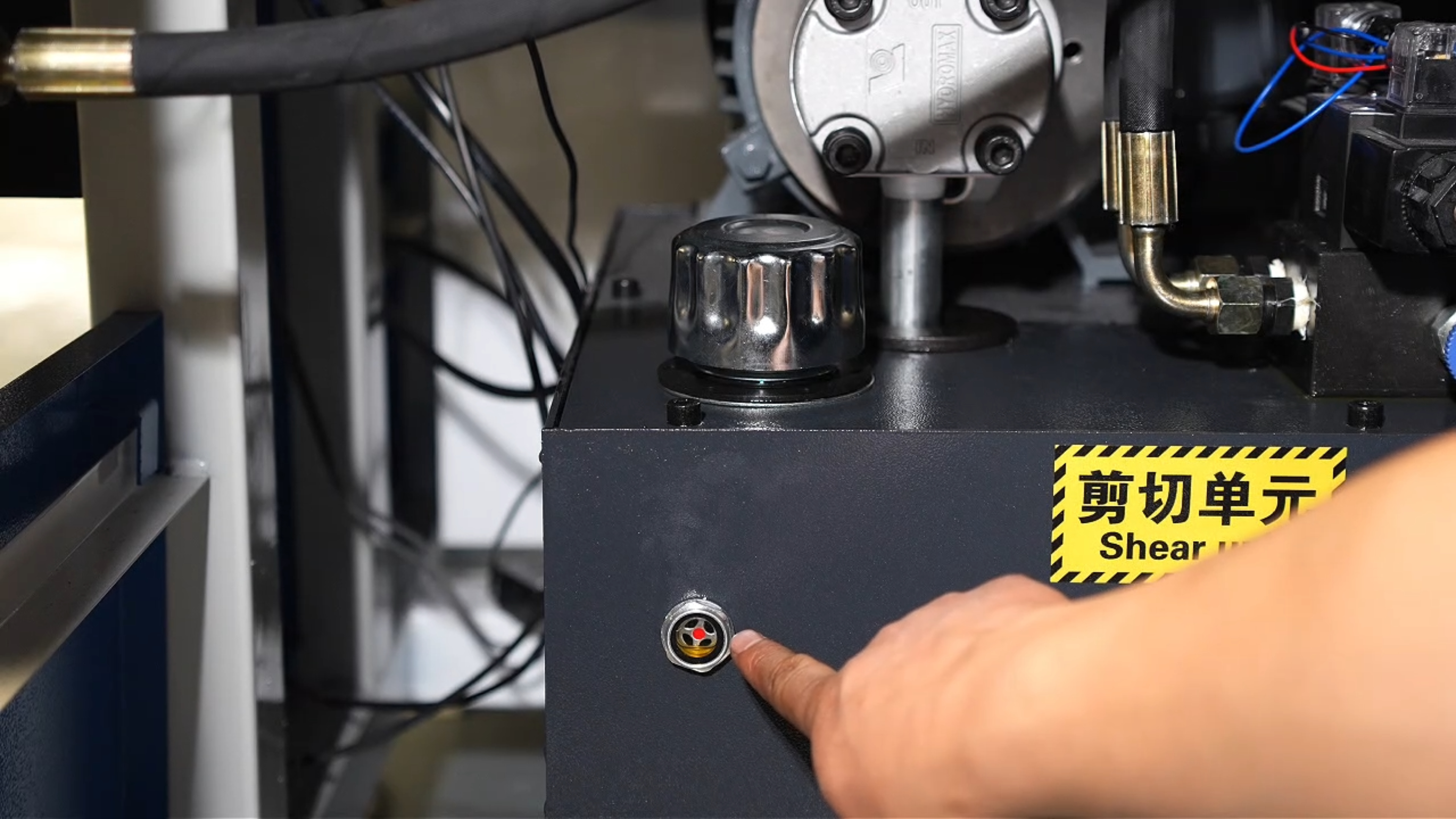
The hydraulic system provides sufficient power to process copper and aluminum busbars within the machine's specified capacity. The CNC system controls the bending process and parameter settings, making operation more convenient. Combined with specialized tooling, the hydraulic system, control system, and tooling all influence busbar processing accuracy.
How to Ensure the Processing Quality of a Busbar Cutting Machine?
Busbar processing quality is related to equipment precision, tool condition, processing parameters, and manual operation methods. Choosing suitable busbar processing equipment and following standardized operating procedures helps maintain smooth cutting surfaces and improve processing stability.
How to Maintain Consistent Cutting Dimensions?
During processing, ensure that the busbar is positioned accurately to reduce dimensional errors caused by manual operation and achieve more consistent dimensions in the cut busbars.
How to Reduce Cutting Burrs?
Cutting burrs are related to the processing material, tool condition, and cutting method. Keep the cutting tools in good condition and select an appropriate processing method according to the specifications of copper and aluminum busbars to ensure smooth cutting surfaces and reduce burrs.
How to Ensure Accurate Punching Positions?
During punching, determine the hole positions according to the drawings and position the busbar accurately at the processing station. Properly controlling the positioning dimensions between the holes and the busbar helps improve punching accuracy and ensure consistent hole positioning in finished products.
How to Maintain Stable Bending Angles?
During bending, set the appropriate parameters according to the busbar width, thickness, and bending requirements. Using suitable bending dies helps maintain stable machine operation and achieve more consistent bending angles.
Under What Working Conditions Is a Busbar Cutting Machine Recommended?
A busbar cutting machine integrates punching, shearing, and bending functions into one machine. Compared with three separate machines, a three-in-one busbar cutting machine can reduce equipment floor space and shorten the distance operators need to move busbars between different machines.
High- and Low-Voltage Switchgear Manufacturers with Large Busbar Cutting Volumes
Some switchgear manufacturers experience slow copper and aluminum busbar cutting speeds, making it difficult to keep up with production schedules. A busbar cutting machine uses its integrated shearing station to efficiently cut busbars to the required lengths and supports subsequent processing through punching and bending operations.
Strict Quality Requirements for Finished Busbars
Busbar processing typically requires consistent dimensions, smooth cutting surfaces, and minimal burrs. Compared with the low efficiency and poor accuracy of manual cutting, using a busbar cutting machine helps maintain consistent product dimensions and clean cutting surfaces, reduces the need for secondary grinding, ensures good contact quality in subsequent electrical connections, and reduces electrical hazards caused by residual burrs.
Frequent Changes Between Different Copper and Aluminum Busbar Specifications
If a workshop handles a wide variety of product models, a busbar cutting machine can process different busbar specifications through shearing, punching, and bending by changing the corresponding dies. Its strong adaptability supports production involving multiple busbar specifications in rotation.
Frequently Asked Questions
Q:Can a busbar cutting machine process holes in different shapes?
A:Yes. By changing the corresponding punching dies, the machine can process round, oval, square, and other specially shaped holes.
Q:Can the processing methods of a busbar cutting machine be customized?
A: Yes. Appropriate cutting tools and dies can be configured according to the customer's busbar processing requirements. For special processing needs, custom dies can also be manufactured based on the customer's drawings to meet specific process requirements.
Q: Can a hydraulic busbar cutting machine perform cutting, punching, and bending simultaneously?
A: Yes. The machine is equipped with three independent hydraulic pumps, allowing the three workstations to operate simultaneously or independently without interfering with one another.
Q:What Accessories and Dies Are Included with a Busbar Cutting Machine?
Category | Specifications |
|---|---|
| Shearing dies | 1 set |
| Punching dies | 8 sets: Φ7, Φ9, Φ11, Φ13, Φ17, Φ21, Φ13 × 18, Φ17 × 21 |
| Bending dies | 4 sets: Small flat bend (R3), large flat bend (R8), U-bend, and vertical bend |
| Embossing die | 1 set |
| Standard accessories | 1 relay, 1 proximity switch, 1 punching pin, 1 laser light, 3 foot pedals, 1 sealing ring, 1 oil can, 1 lubrication oil can, and 1 hex key |